

Buscar
Selecciona el idioma del diccionario





























to concede
01
reconocer, admitir
to reluctantly admit that something is true after denying it first
Transitive: to concede that | to concede sth
información gramatical
composición morfológica
simple
verbo de acción
regular
presente
concede
3.ª persona singular
concedes
participio presente
conceding
pretérito simple
conceded
participio pasado
conceded
Ejemplos
After a heated debate, he finally conceded that he might have been wrong.
Después de un acalorado debate, finalmente concedió que podría haber estado equivocado.
02
ceder, conceder
to give in or agree to a request
Intransitive: to concede to a request
Ejemplos
After much discussion, she conceded to their request for more time.
Después de mucha discusión, ella concedió a su petición de más tiempo.
03
ceder, conceder
to grant something such as control, a privilege, or right, often reluctantly
Transitive: to concede control or a privilege
Ejemplos
After a long negotiation, the company finally conceded control of the project to the new partner.
Después de una larga negociación, la empresa finalmente cedió el control del proyecto al nuevo socio.
04
ceder
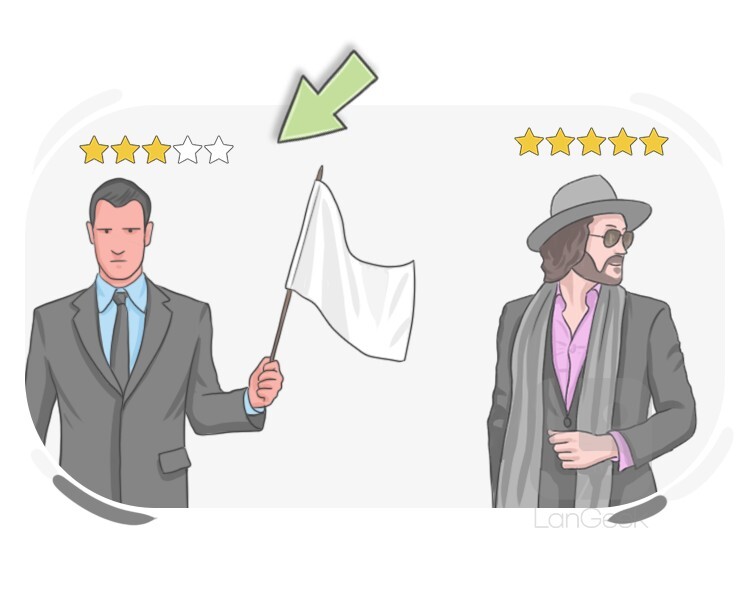
to admit defeat in a competition, election, etc.
Transitive: to concede a competition
Ejemplos
After a tense debate, the candidate finally conceded defeat.
Después de un tenso debate, el candidato finalmente concedió la derrota.
LanGeek
Descarga nuestra aplicación móvil

Árbol Léxico
conceding
concession
concessive
concede

