

Suchen
Wählen Sie die Wörterbuchsprache




























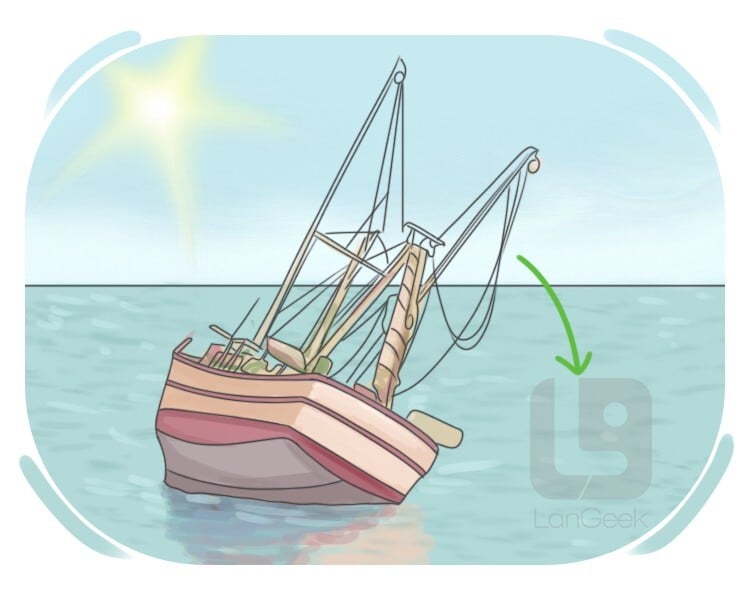
to cant
01
krängen, sich neigen
(of a boat or ship) to tilt to one side
Intransitive
Grammatische Informationen
morphologische Zusammensetzung
einfach
Bewegungsverb
regelmäßig
Präsens
cant
3. Person Singular
cants
Partizip Präsens
canting
einfache Vergangenheit
canted
Partizip Perfekt
canted
Beispiele
As the strong gusts of wind hit, the sailboat canted.
Als die starken Windböen trafen, neigte sich das Segelboot.
Cant
01
leere Phrasen, hohles Jargon
a set of stock or overused phrases that have lost meaning or impact due to constant repetition
Grammatische Informationen
Belebtheitsstatus
abstrakt
morphologische Zusammensetzung
einfach
nicht zählbar
singular
not gender specific
Pluralform
cants
Beispiele
The speech was filled with political cant and empty promises.
Die Rede war voll von politischem Jargon und leeren Versprechungen.
02
Fase, Schräge
an angled surface formed when two planes meet at an angle other than 90 degrees
Beispiele
The craftsman smoothed the cant on the edge of the wooden beam.
Der Handwerker glättete den Abschrägung an der Kante des Holzbalkens.
03
Jargon, Slang
a specialized language, jargon, or secret code used by a particular group, especially to exclude outsiders
Beispiele
The thieves spoke in a cant to hide their intentions.
Die Diebe sprachen in einer Sondersprache, um ihre Absichten zu verbergen.
04
heuchlerische Rede, affektiertes Gerede
insincere or hypocritical talk, especially about religion, virtue, or morality
Beispiele
His sermon was full of cant, not genuine belief.
Seine Predigt war voller cant, nicht echter Überzeugung.
05
Überhöhung, Querneigung
raised outer edge of a curved road or track above the inner edge to counteract centrifugal force
Beispiele
Engineers calculated the highway's cant so vehicles could take the bend at 80 km/h without skidding.
Die Ingenieure berechneten die Überhöhung der Autobahn, damit Fahrzeuge die Kurve mit 80 km/h ohne Rutschen nehmen konnten.
LanGeek
Laden Sie unsere mobile App herunter

Lexikalischer Baum
canted
decant
cant

