

অনুসন্ধান করুন
অভিধানের ভাষা নির্বাচন করুন





























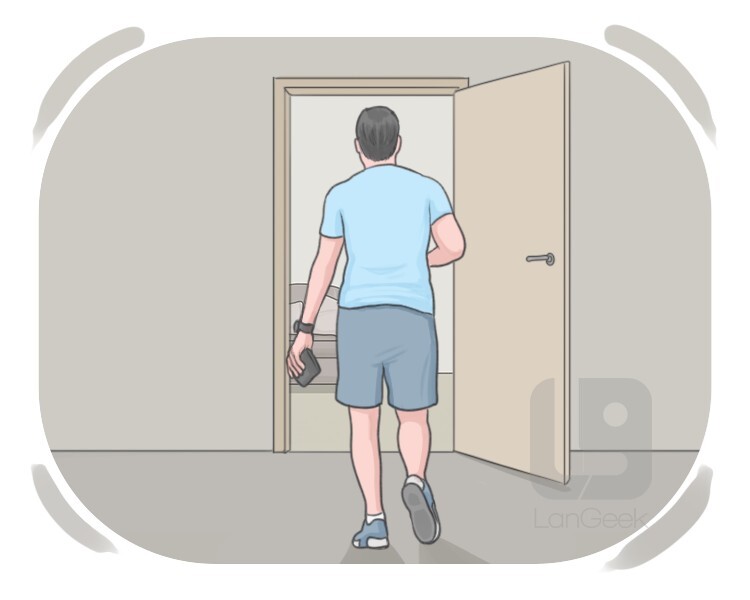
to go in
01
ভিতরে যাওয়া, প্রবেশ করা
to enter a place, building, or location
Transitive
ব্যাকরণগত তথ্য
রূপগত গঠন
বাগধারামূলক
গতিবাচক ক্রিয়া
নিয়মিত
অবিচ্ছেদ্য
কণা
in
মূল ক্রিয়া
go
বর্তমান কাল
go in
৩য় পুরুষ একবচন
goes in
বর্তমান কৃদন্ত
going in
সরল অতীত
went in
অতীত কৃদন্ত
gone in
উদাহরণ
The theater doors will open soon, so you can go in and find your seats.
থিয়েটারের দরজা শীঘ্রই খুলবে, তাই আপনি ভিতরে যেতে পারেন এবং আপনার আসন খুঁজে পেতে পারেন।
02
ভিতরে যাওয়া, মনে রাখা
(of facts or information) to be comprehended and retained in one's memory
উদাহরণ
The key points of the lecture went in well, and I was able to recall them during the exam.
লেকচারের মূল পয়েন্টগুলি ভালোভাবে মনে ঢুকে গিয়েছিল, এবং আমি পরীক্ষার সময় সেগুলি মনে করতে পেরেছিলাম।
03
লুকিয়ে যাওয়া, অদৃশ্য হয়ে যাওয়া
(of the sun or moon) to be hidden by clouds
উদাহরণ
We were stargazing, but suddenly the moon went in behind a thick cloud.
আমরা তারা দেখছিলাম, কিন্তু হঠাৎ চাঁদ একটি ঘন মেঘের পিছনে চলে গেল।
LanGeek


