

অনুসন্ধান করুন
অভিধানের ভাষা নির্বাচন করুন





























Reason
01
কারণ, হেতু
a rational motive or cause for a belief, decision, or action

উদাহরণ
His reason for leaving the job was personal.
তার চাকরি ছাড়ার কারণ ব্যক্তিগত ছিল।
উদাহরণ
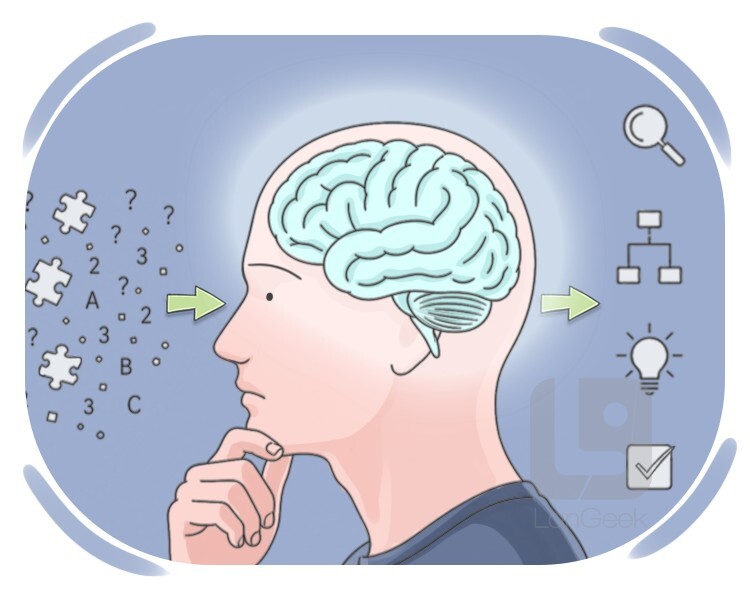
She used reason to analyze the situation before making a decision.
সিদ্ধান্ত নেওয়ার আগে তিনি পরিস্থিতি বিশ্লেষণ করতে যুক্তি ব্যবহার করেছিলেন।
03
কারণ, যুক্তি
something that explains an action or event
ব্যাকরণগত তথ্য
প্রাণবাচকতার অবস্থা
বিমূর্ত
রূপগত গঠন
সরল
গণনীয়
singular
not gender specific
বহুবচন রূপ
reasons
উদাহরণ
She provided a valid reason for being late to the meeting.
তিনি সভায় দেরিতে আসার একটি বৈধ কারণ দিয়েছেন।
04
বিবেক, বিচারবুদ্ধি
the quality of having sound judgment, good sense, or prudence
উদাহরণ
He showed reason in handling the delicate situation.
সে সংবেদনশীল পরিস্থিতি সামলাতে বিবেক দেখিয়েছে।
to reason
01
যুক্তি দেওয়া, তর্ক করা
to present justifications or explanations for a particular idea, decision, conclusion, etc.
Transitive: to reason that
ব্যাকরণগত তথ্য
রূপগত গঠন
সরল
কর্মসূচক ক্রিয়া
নিয়মিত
বর্তমান কাল
reason
৩য় পুরুষ একবচন
reasons
বর্তমান কৃদন্ত
reasoning
সরল অতীত
reasoned
অতীত কৃদন্ত
reasoned
উদাহরণ
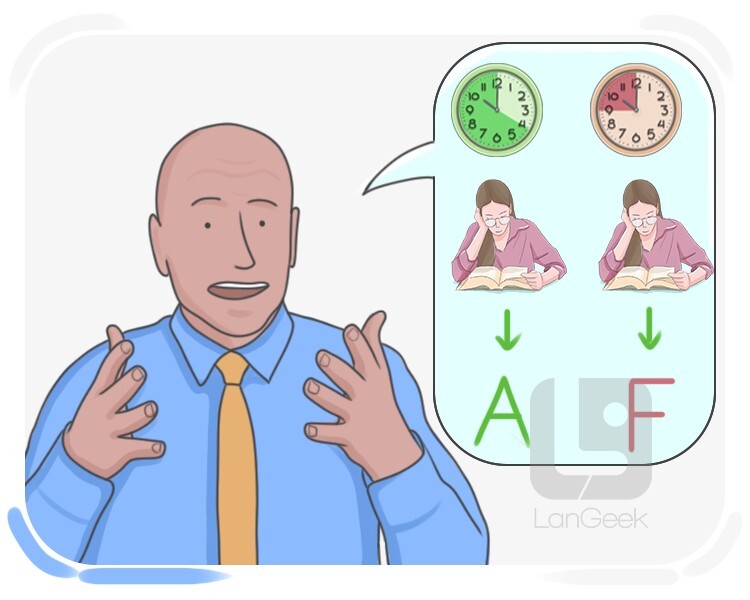
She reasoned that studying regularly would lead to better exam performance.
সে যুক্তি দিয়েছিল যে নিয়মিত পড়াশোনা পরীক্ষার পারফরম্যান্সকে উন্নত করবে।
02
যুক্তি করা, যুক্তিসঙ্গতভাবে চিন্তা করা
to think rationally and make good judgement
Intransitive
উদাহরণ
The philosopher reasoned with clarity and precision during the debate.
দার্শনিক বিতর্কের সময় স্পষ্টতা এবং নির্ভুলতার সাথে যুক্তি দিয়েছিলেন।
LanGeek
আমাদের মোবাইল অ্যাপ ডাউনলোড করুন

শব্দতাত্ত্বিক গাছ
reasonable
reasonless
unreason
reason

