

অনুসন্ধান করুন
অভিধানের ভাষা নির্বাচন করুন





























Prune
01
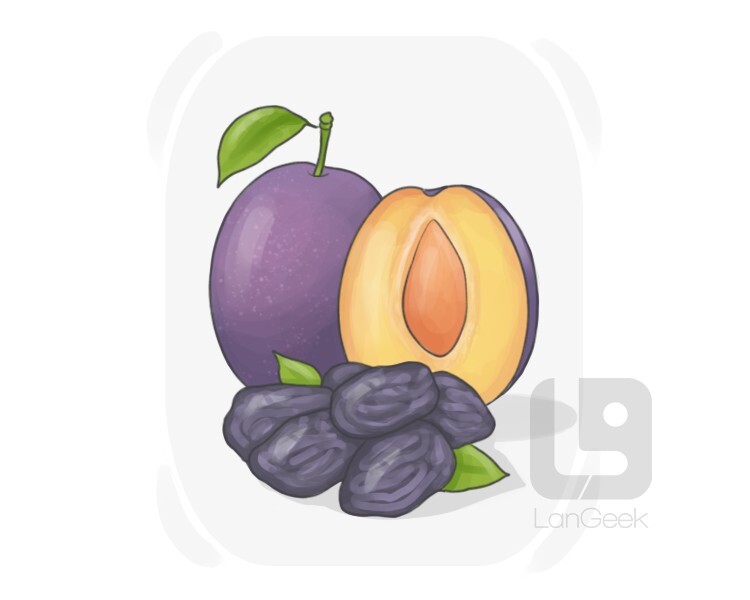
শুকনো বরই, শুকনো প্লাম
a dried plum, often eaten as a snack or used in cooking
ব্যাকরণগত তথ্য
প্রাণবাচকতার অবস্থা
জড়
রূপগত গঠন
সরল
গণনীয়
singular
not gender specific
বহুবচন রূপ
prunes
উদাহরণ
She added a few prunes to her breakfast oatmeal.
তিনি তার প্রাতঃরাশের ওটমিলে কয়েকটি শুকনো আলুবোখারা যোগ করেছিলেন।
to prune
01
ছাঁটা, কাটা
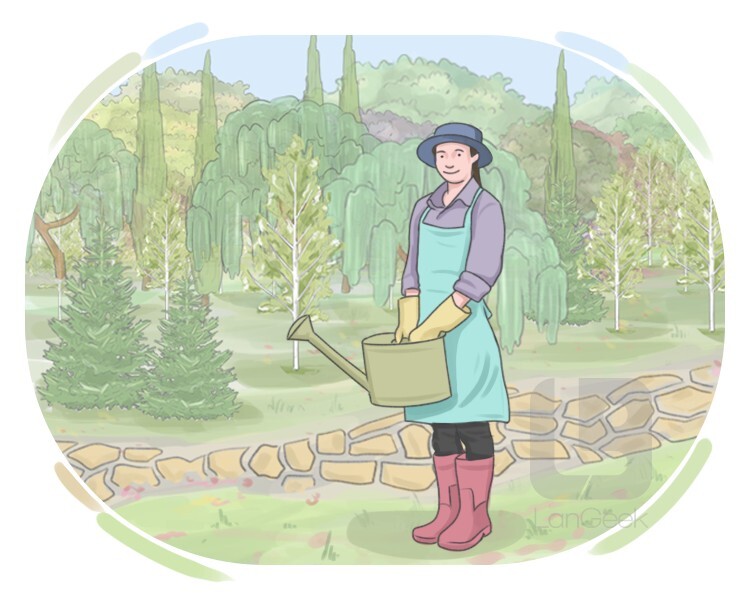
to cut off top part or some branches of trees, bushes, or other plants to help them grow faster
Transitive: to prune plants
উদাহরণ
She prunes the rose bushes in the garden to encourage more blooms.
তিনি বাগানে গোলাপের গুল্মগুলি কাটেন আরও ফুল উত্সাহিত করতে।
02
ছাঁটাই করা, অপসারণ করা
to eliminate unnecessary or undesirable parts from something
Transitive: to prune unnecessary parts
ব্যাকরণগত তথ্য
রূপগত গঠন
সরল
কর্মসূচক ক্রিয়া
নিয়মিত
বর্তমান কাল
prune
৩য় পুরুষ একবচন
prunes
বর্তমান কৃদন্ত
pruning
সরল অতীত
pruned
অতীত কৃদন্ত
pruned
উদাহরণ
The editor pruned unnecessary details from the manuscript to make it more concise.
সম্পাদক পান্ডুলিপি থেকে অপ্রয়োজনীয় বিবরণ ছাঁটাই করে এটিকে আরও সংক্ষিপ্ত করেছেন।
LanGeek


