

অনুসন্ধান করুন
অভিধানের ভাষা নির্বাচন করুন





























Mandarin
ব্যাকরণগত তথ্য
প্রাণবাচকতার অবস্থা
বিমূর্ত
রূপগত গঠন
যৌগিক
অগণনীয়
singular
not gender specific
নামবাচক
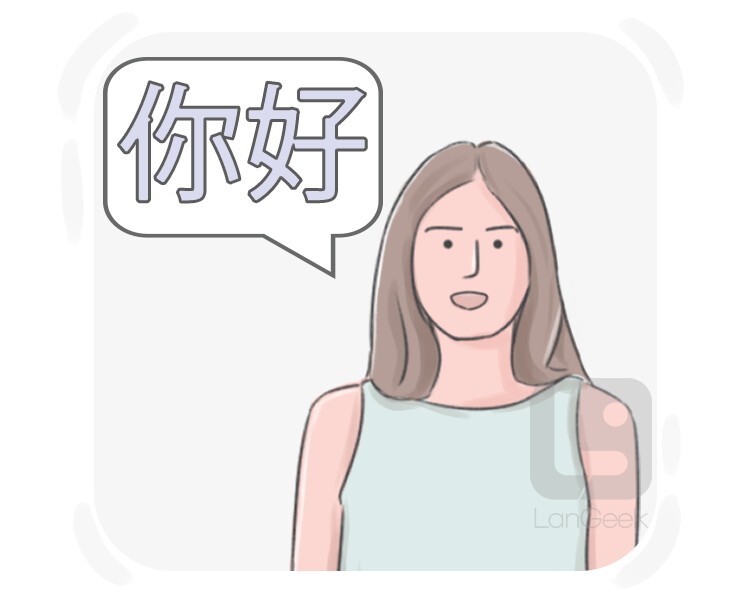
উদাহরণ
She studied Mandarin in school to better communicate with her relatives in China.
তিনি চীনে তার আত্মীয়দের সাথে ভালোভাবে যোগাযোগ করার জন্য স্কুলে ম্যান্ডারিন অধ্যয়ন করেছিলেন।
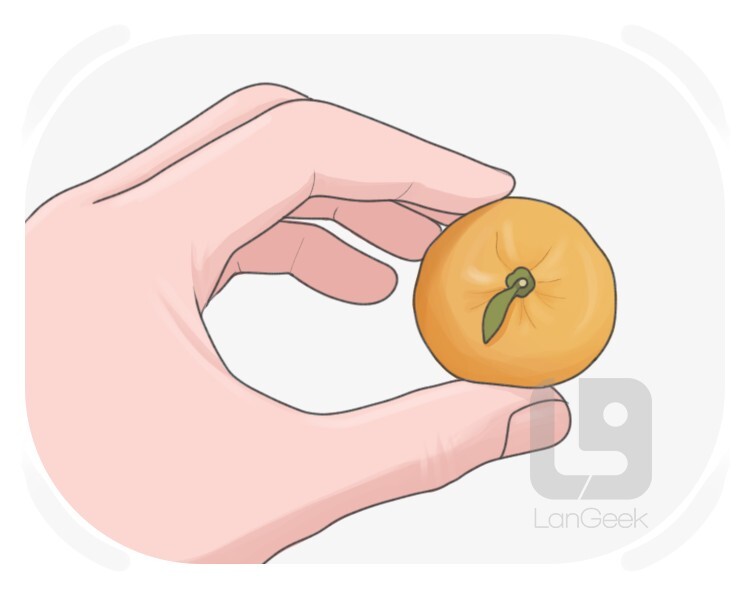
উদাহরণ
The scent of freshly peeled mandarin fills the room with a delightful citrus aroma.
টাটকা খোসা ছাড়ানো ম্যান্ডারিন-এর গন্ধ ঘরটিকে একটি আনন্দদায়ক সাইট্রাস সুগন্ধে ভরে তোলে।
03
ম্যান্ডারিন, সাম্রাজ্যবাদী চীনের একজন উচ্চপদস্থ সরকারি কর্মকর্তা
a high public official of imperial China
04
ম্যান্ডারিন, উচ্চ সরকারি কর্মকর্তা
any high government official or bureaucrat
05
ম্যান্ডারিন, বুদ্ধিজীবী
a member of an elite intellectual or cultural group
06
কমলা গাছ, কমলা
shrub or small tree having flattened globose fruit with very sweet aromatic pulp and thin yellow-orange to flame-orange rind that is loose and easily removed; native to southeastern Asia
LanGeek


