

Search
Select the dictionary language





























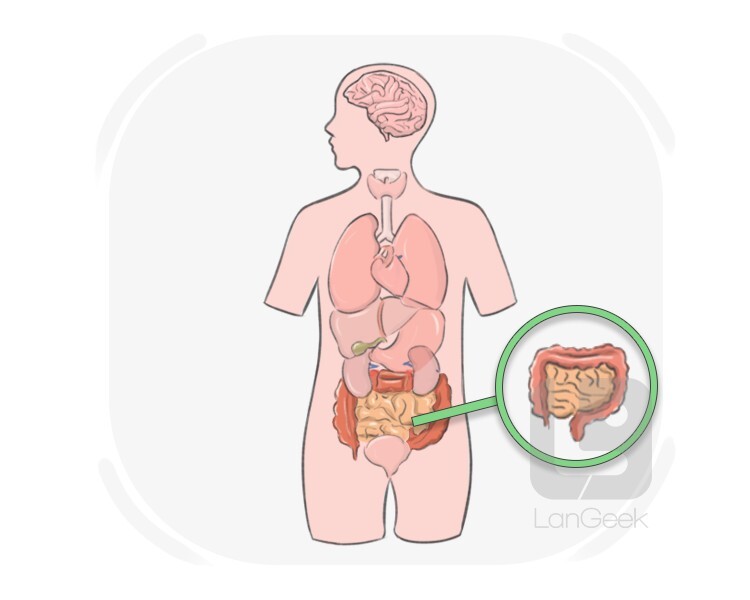
What is "gut"?
The gut, also known as the gastrointestinal tract, is a long tube that starts from the mouth and extends all the way to the anus. It consists of several organs, including the esophagus, stomach, small intestine, and large intestine (colon). The gut is responsible for the digestion and absorption of food, as well as the elimination of waste products. It is lined with specialized cells that aid in the breakdown of food through the release of enzymes and the absorption of nutrients into the bloodstream. The gut also houses a complex community of microorganisms known as the gut microbiota, which play a crucial role in maintaining overall health and immune function.
(always plural) determination to face danger, difficulty, or fear
a type of string or cord made from the natural fibers found in the intestines of animals, often used in sports equipment like tennis rackets or musical instruments
a narrow passage of water, typically connecting two larger bodies or cutting through land, often with strong currents
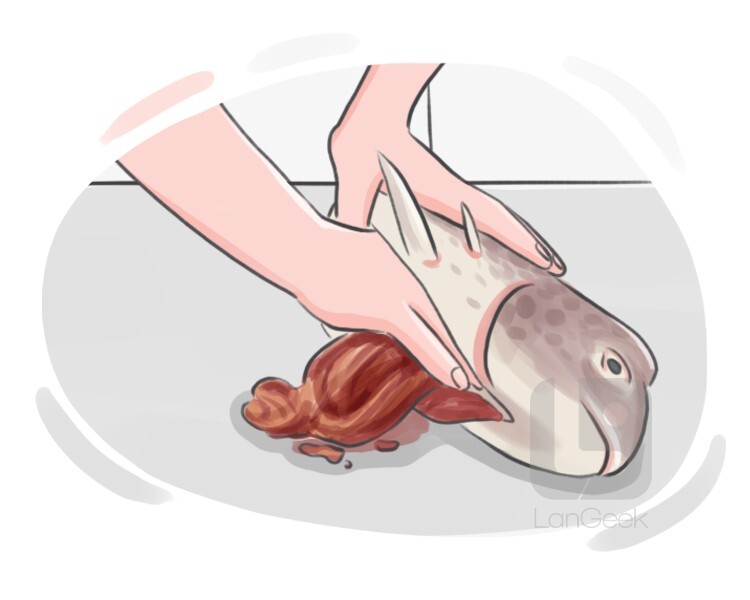
to remove the internal organs or intestines, typically from an animal, often for food preparation
to ruin the interior of a structure or vehicle, often through intense fire or damage, leaving only the outer shell intact
LanGeek
Download Our Mobile App

Lexical Tree

