

Search
Select the dictionary language





























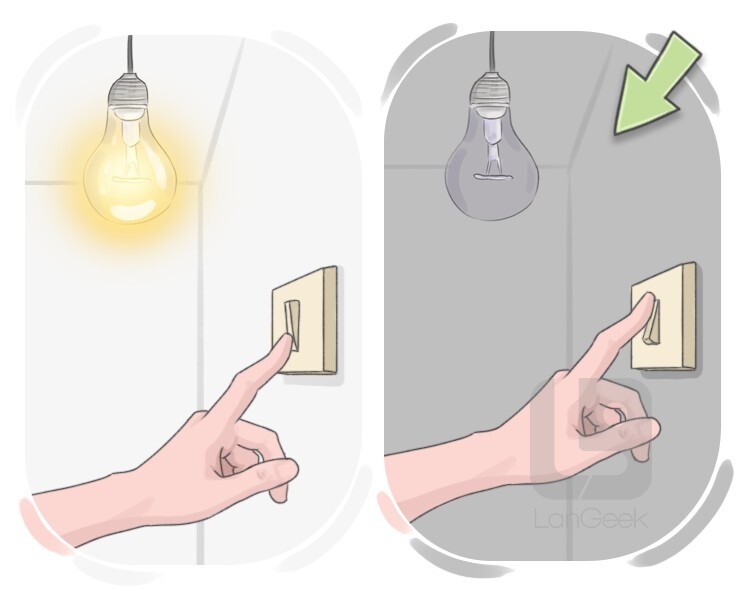
to cause a machine, device, or system to stop working or flowing, usually by pressing a button or turning a switch
to make someone strongly dislike something
to alter the direction of a vehicle or object
a characteristic, behavior, or feature that makes someone lose attraction or interest in a person or situation
What does "turn off" mean in attraction or relationships?
The phrase "turn off" originally comes from the idea of switching something off, like a light or a machine, to stop it from working. This meaning was extended metaphorically to emotions and reactions. In relationships, a "turn off" refers to something that stops or reduces attraction or interest. Today, it describes a trait, behavior, or situation that causes someone to lose romantic or personal interest in another person.
LanGeek


