

Search
Select the dictionary language





























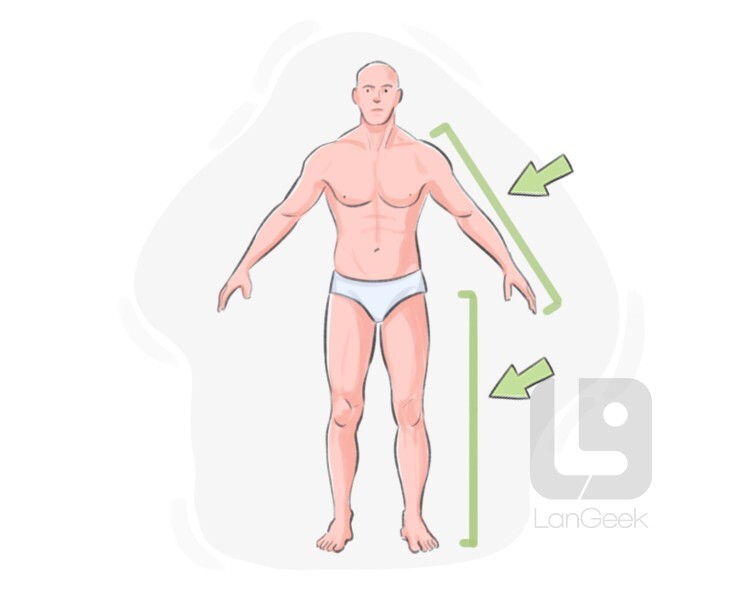
What is a "limb"?
A limb is an anatomical term that refers to the appendages or extremities of the human body, including the arms and legs. These structures provide mobility, dexterity, and support for various physical activities. The limbs are composed of bones, muscles, tendons, and joints that work together to facilitate movement and perform tasks such as grasping, walking, running, and manipulating objects. Each limb consists of several segments, such as the upper arm, forearm, hand, thigh, leg, and foot. The limbs are vital for locomotion, balance, and interaction with the surrounding environment, playing a crucial role in daily activities and overall physical function.
a large branch or main division growing from the trunk or bough of a tree
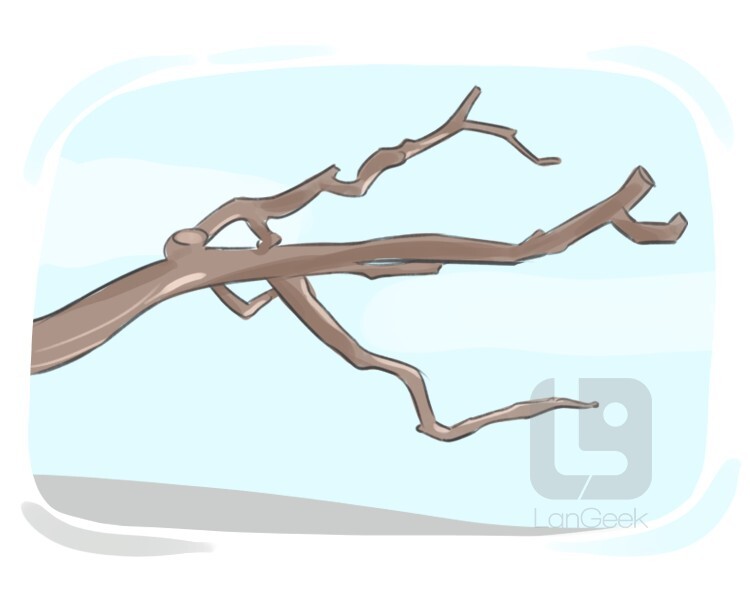
any structure or projection resembling a human arm or leg in form or function
the curved or graduated edge of an instrument used for measuring angles, such as a sextant or astrolabe
either of the two flexible arms of a bow extending from the handle to the tip
the apparent edge or boundary of the visible disc of a celestial body, such as the sun, moon, or planet
LanGeek
Download Our Mobile App

Lexical Tree

