






























Spy
01
间谍, 特务
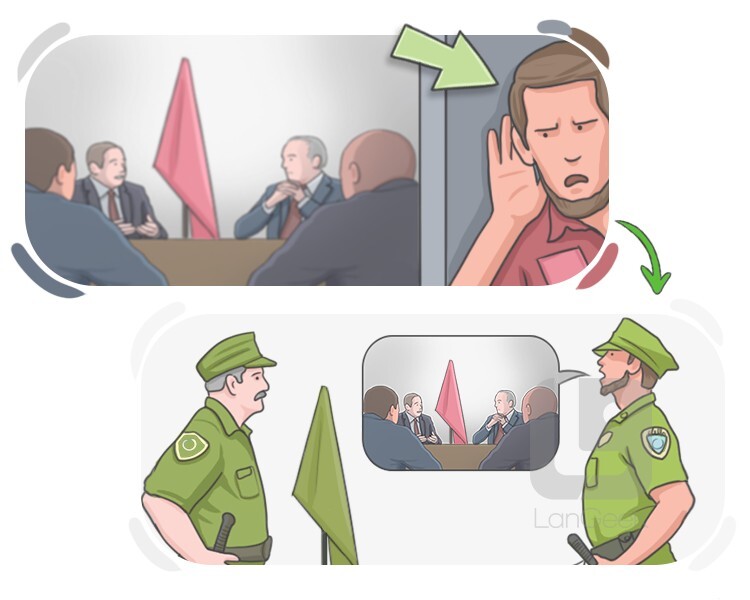
someone who is employed by a government to obtain secret information on another person, country, company, etc.
语法信息
有生性状态
人类
形态构成
简单词
可数
singular
not gender specific
复数形式
spies
例子
The spy used hidden cameras to gather intelligence on the enemy's activities.
间谍使用隐藏摄像头收集有关敌人活动的情报。
02
间谍, 告密者
a person who secretly observes or watches others without their knowledge
例子
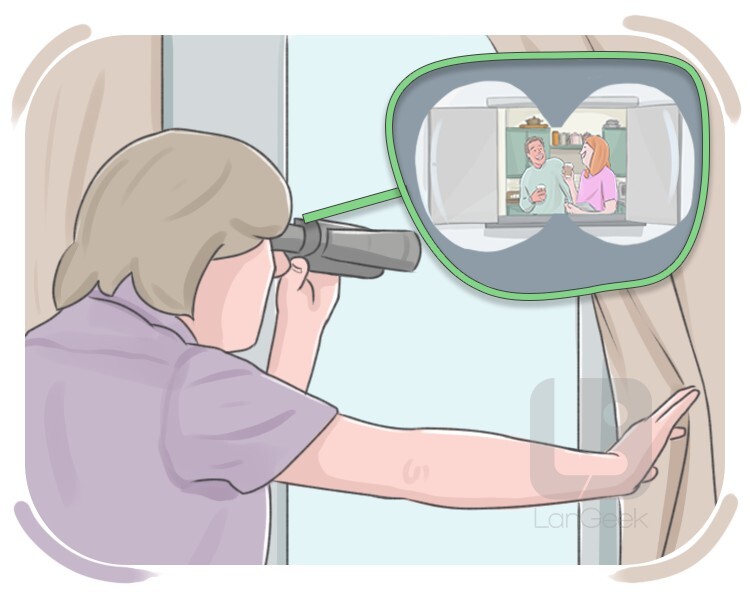
He acted like a spy, watching his neighbors from the window.
他表现得像个间谍,从窗户观察他的邻居。
to spy
01
间谍, 秘密观察
to secretly observe someone
Transitive: to spy on sb
语法信息
形态构成
简单词
动作动词
规则
现在时
spy
第三人称单数
spies
现在分词
spying
一般过去时
spied
过去分词
spied
例子
During the Cold War, intelligence agencies would spy on rival nations to gather classified information.
在冷战期间,情报机构会间谍敌对国以收集机密信息。
02
瞥见, 窥见
to see or glimpse something briefly or from a distance
Transitive: to spy sb/sth
例子
She spied a bird perched on the windowsill while she was working.
她工作时瞥见一只鸟栖息在窗台上。
03
间谍, 侦察
to secretly gather information about enemies, competitors, or others
Intransitive: to spy for sb | to spy on an enemy or rival
例子
During the Cold War, many people were recruited to spy for their countries.
在冷战期间,许多人被招募来为自己的国家间谍。


