






























to shed
01
脱落, 换毛
to let hair, skin, horn, or feathers fall naturally
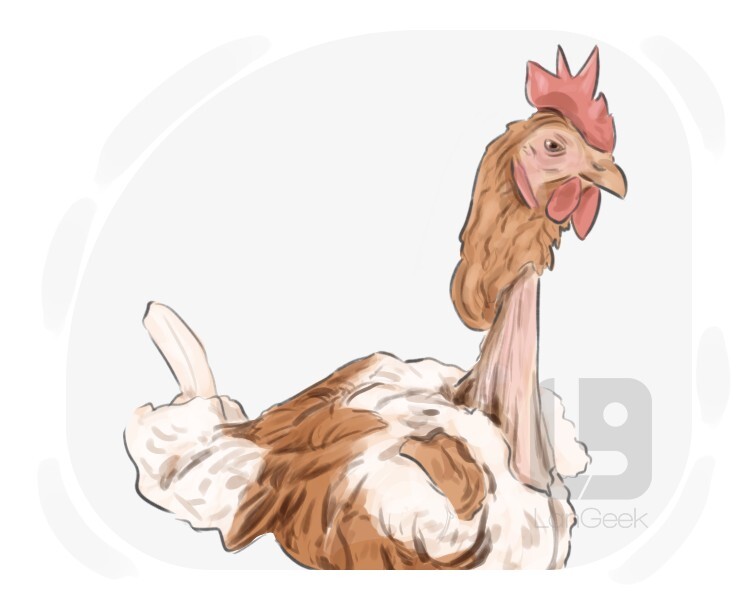
例子
Birds shed old feathers during molting season.
鸟类在换羽季节脱落旧羽毛。
02
摆脱, 丢弃
to get rid of something that is not wanted or needed anymore
语法信息
形态构成
简单词
动作动词
规则
现在时
shed
第三人称单数
sheds
现在分词
shedding
一般过去时
shed
过去分词
shed
例子
After the spring cleaning, she shed a lot of old clothes that no longer fit her.
春季大扫除后,她丢弃了很多不再合身的旧衣服。
03
洒, 溢出
to accidentally release or spill a liquid or substance in a sudden and uncontrolled manner
例子
The worker accidentally shed oil all over the factory floor, making it slippery.
工人不小心把油洒在了整个工厂地板上,使其变得滑溜。
04
流出, 洒
to let a substance flow out or spill over
例子
The wound caused her arm to shed a small amount of blood.
伤口导致她的手臂流出少量血液。
Shed
01
棚屋, 小屋
a simple and small cottage-like building that is built to store things or shelter animals
语法信息
有生性状态
无生命
形态构成
简单词
可数
singular
not gender specific
复数形式
sheds
例子
The tools were neatly arranged inside the garden shed behind the house.
工具被整齐地摆放在房子后面的花园棚屋里。
02
棚屋, 仓库
a large, simple industrial building used to house machinery or equipment
Dialect British
British例子
The factory's engine shed was filled with heavy machines.
工厂的棚屋里堆满了重型机器。
shed
01
脱落的, 失去的
cast off or lost at an early stage of development
语法信息
形态构成
过去分词形容词
性质形容词
不可分级
领域
biology, development, anatomy
例子
The insect's shed skin was found on the leaf.
昆虫的蜕皮在叶子上被发现。
LanGeek
下载我们的移动应用

词汇树
shedder
shedding
shed

