






























naive
01
天真的, 幼稚的
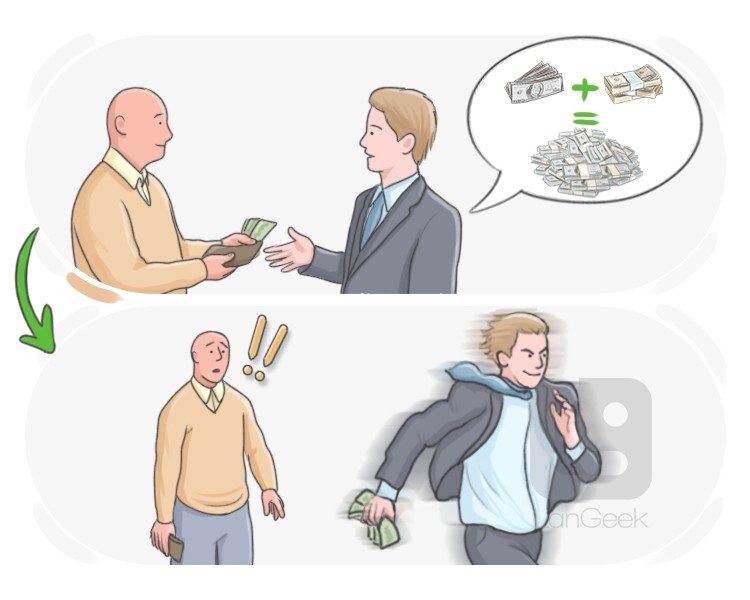
lacking experience and wisdom due to being young
语法信息
形态构成
简单词
性质形容词
最高级
naivest
比较级
naiver
可分级
领域
character, behavior, judgment
例子
She was naive to the ways of the world, trusting everyone she met without question.
她对世界的种种方式天真,毫无疑问地信任她遇到的每一个人。
例子
The naive student believed every word the speaker said, without questioning it.
天真的学生相信演讲者说的每一句话,没有质疑。
03
天真的, 缺乏经验的
lacking experience, wisdom, or understanding about the world, often resulting in being overly trusting or easily deceived
例子
The naive approach to software development led to significant bugs in the program.
软件开发中的天真方法导致了程序中的重大错误。
04
天真的, 朴素的
(of an art style) intentionally avoiding advanced techniques, featuring bold simplicity, bright colors, and a childlike directness, often with little or no perspective
例子
The artist embraced a naive style, using bright colors and simplistic forms to convey emotion.
这位艺术家采用了天真的风格,使用明亮的色彩和简单的形式来传达情感。
LanGeek
下载我们的移动应用

词汇树
naively
naiveness
naive

