

Szukaj





























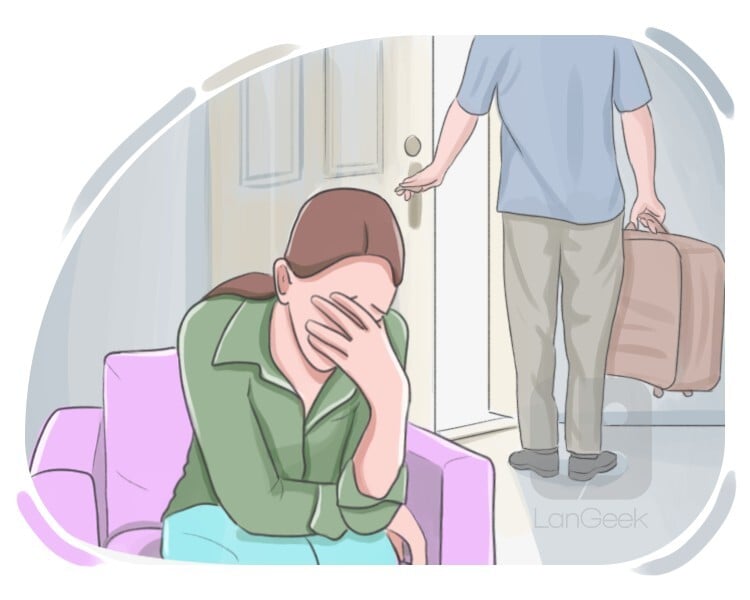
to depress
01
przygnębiać, zniechęcać
to make someone feel extremely sad or discouraged, often as a result of challenging situations, such as loss
Transitive: to depress sb
informacje gramatyczne
budowa morfologiczna
pochodny
czasownik czynnościowy
regularny
czas teraźniejszy
depress
3. osoba liczby pojedynczej
depresses
imiesłów czynny
depressing
czas przeszły prosty
depressed
imiesłów bierny
depressed
Przykłady
The constant rain seemed to depress him even more.
Ciągły deszcz wydawał się go jeszcze bardziej przygnębiać.
02
obniżać, zmniejszać
to lower the market value or reduce the market appeal of a product
Transitive: to depress a product or its value
Przykłady
Overproduction of a certain product may depress its market value as supply exceeds demand.
Nadprodukcja określonego produktu może obniżyć jego wartość rynkową, gdy podaż przekracza popyt.
03
zmniejszać, osłabiać
to reduce the intensity, activity, or strength of something
Transitive: to depress a process or state
Przykłady
The medication helped depress his symptoms of anxiety.
Lek pomógł zmniejszyć jego objawy lęku.
04
naciskać, wciskać w dół
to apply force that pushes something downward
Transitive: to depress sth
Przykłady
The mechanic depressed the lever to release the brake.
Mechanik nacisnął dźwignię, aby zwolnić hamulec.
05
obniżać, przygniatać
to lower or cause to move downward in position
Transitive: to depress sth
Przykłady
The weight of the snow depressed the branches of the tree, bending them towards the ground.
Ciężar śniegu przygniótł gałęzie drzewa, pochylając je ku ziemi.
LanGeek
Pobierz naszą aplikację mobilną

Drzewo Leksykalne
depressant
depressed
depressing
depress

