






























to lump
01
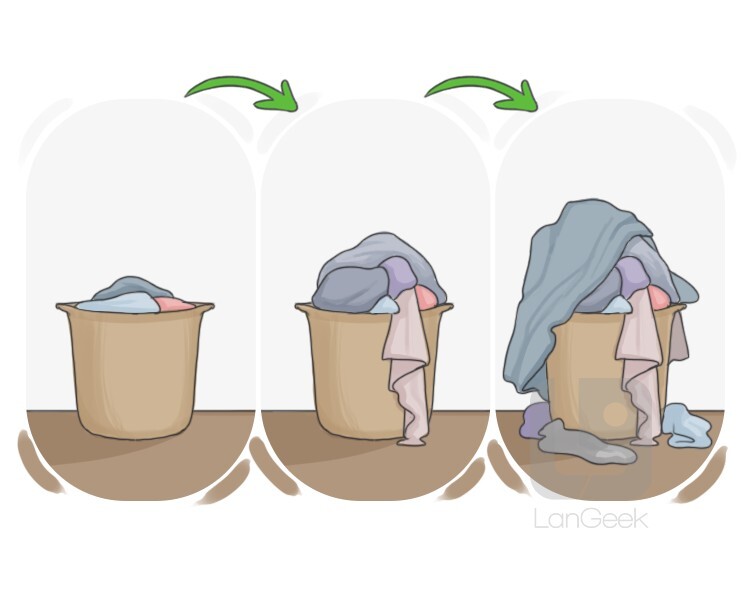
쌓아 올리다, 모아 두다
to put things together without sorting or organizing them carefully
Transitive: to lump sth
문법 정보
형태적 구성
단순어
동작 동사
규칙
현재 시제
lump
3인칭 단수
lumps
현재분사
lumping
단순 과거
lumped
과거분사
lumped
예시들
The children lumped their toys into a single pile, making it difficult to find specific items later.
아이들은 장난감을 한 더미로 뭉쳐 놓았고, 이로 인해 나중에 특정 물건을 찾기 어려워졌습니다.
02
묶다, 그룹화하다
to group plants or animals together without paying attention to small differences between them
Transitive: to lump plants or animals
예시들
The biologist lumped the various species of birds into one category.
생물학자는 다양한 종의 새들을 하나의 범주로 묶었다.
Lump
01
덩어리, 조각
a compact mass of material gathered or stuck together
문법 정보
유생성 상태
무생물
형태적 구성
단순어
가산
singular
not gender specific
복수형
lumps
예시들
He stirred a lump of sugar into his tea.
그는 차에 설탕 덩어리를 저었다.
02
덩어리, 조각
a large, roughly shaped piece or portion of something without a defined form
예시들
He picked up a lump of bread and tore it in half.
그는 빵 덩어리를 집어 반으로 찢었다.
03
멍청이, 둔한 사람
a clumsy or dull-witted person
예시들
Don't just sit there like a lump—help me out.
거기에 멍청이처럼 앉아 있지 마—나 좀 도와줘.
04
혹, 부기
a swollen area under the skin, usually caused by a sickness or injury
예시들
A lump is a localized swelling or protuberance that can be felt under the skin or within the body.
혹은 피부 아래나 몸 안에서 느낄 수 있는 국소적인 부종이나 돌출부입니다.
LanGeek
모바일 앱 다운로드

어휘 나무
lumper
lump

