






























Spy
01
スパイ, 秘密工作員
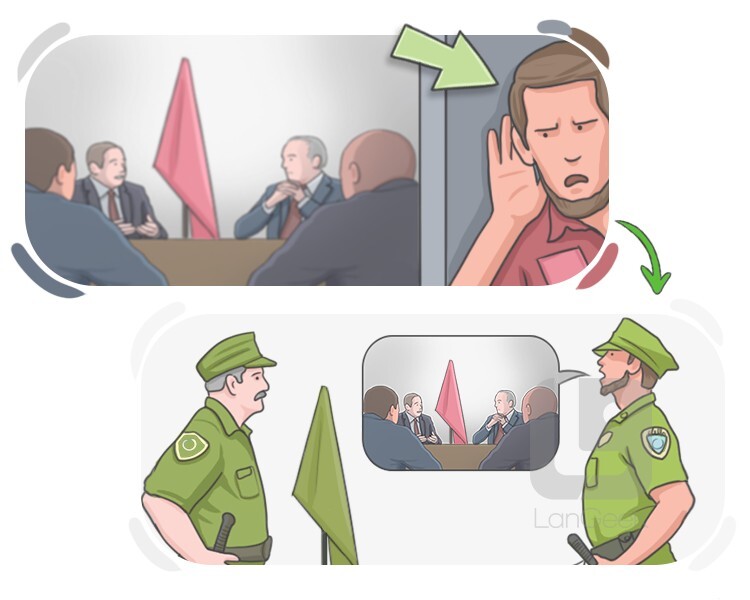
someone who is employed by a government to obtain secret information on another person, country, company, etc.
文法情報
有生性の状態
人間
形態的構成
単純語
可算
singular
not gender specific
複数形
spies
例
The spy used hidden cameras to gather intelligence on the enemy's activities.
スパイは敵の活動に関する情報を収集するために隠しカメラを使用した。
02
スパイ, 密告者
a person who secretly observes or watches others without their knowledge
例
He acted like a spy, watching his neighbors from the window.
彼はスパイのように振る舞い、窓から隣人を観察した。
to spy
01
スパイする, 密かに観察する
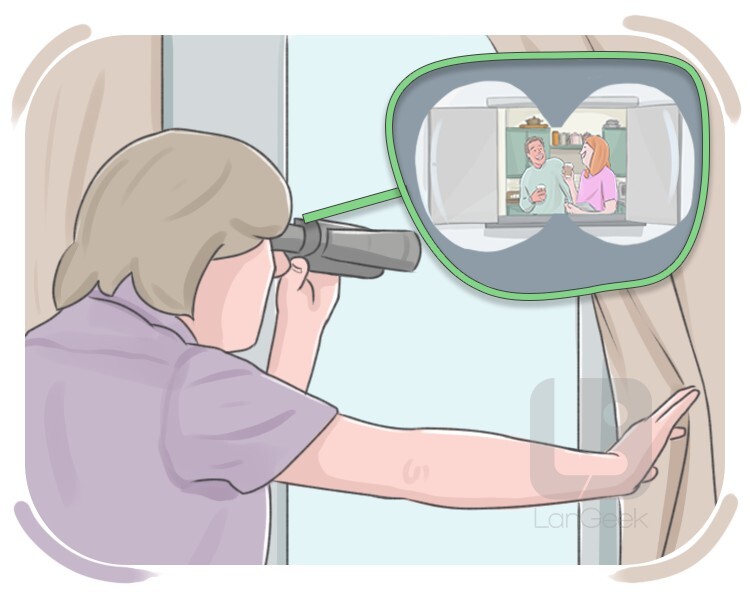
to secretly observe someone
Transitive: to spy on sb
文法情報
形態的構成
単純語
動作動詞
規則的
現在時制
spy
三人称単数
spies
現在分詞
spying
単純過去
spied
過去分詞
spied
例
During the Cold War, intelligence agencies would spy on rival nations to gather classified information.
冷戦中、情報機関は機密情報を収集するためにライバル国をスパイしていました。
02
見かける, ちらっと見る
to see or glimpse something briefly or from a distance
Transitive: to spy sb/sth
例
She spied a bird perched on the windowsill while she was working.
彼女は働いている間に窓辺にとまった鳥を見かけた。
03
スパイする, 偵察する
to secretly gather information about enemies, competitors, or others
Intransitive: to spy for sb | to spy on an enemy or rival
例
During the Cold War, many people were recruited to spy for their countries.
冷戦中、多くの人々が自国のためにスパイ活動をするよう採用されました。
LanGeek


