





























neutral
文法情報
形態的構成
単純語
性質形容詞
最上級
most neutral
比較級
more neutral
程度表現可
分野
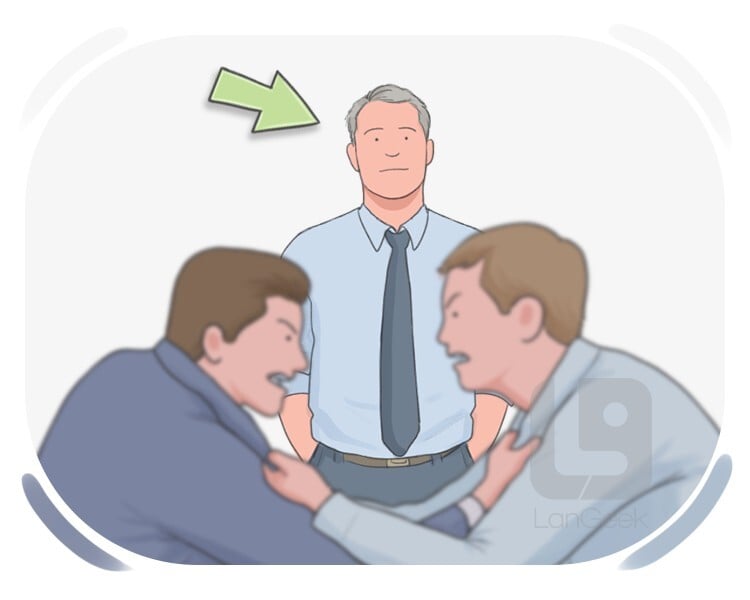
conflict, communication, behavior
例
It’s important to keep a neutral tone when discussing sensitive topics.
敏感な話題を議論する際には、中立的な口調を保つことが重要です。
02
ニュートラル, 無色
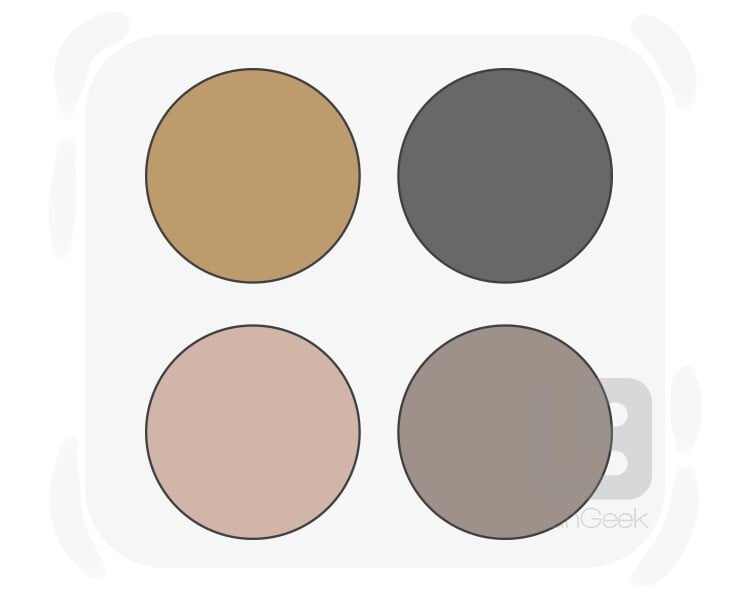
lacking color or hue
例
Beige is a neutral color that matches many tones.
ベージュは多くのトーンに合うニュートラルな色です。
03
中立の, 公平な
lacking personal preference or bias
例
He remained neutral when asked which movie to watch.
どの映画を見るか尋ねられたとき、彼は中立のままでした。
04
中性の, 不活性の
showing limited chemical reactivity
例
Water is generally neutral in chemical reactions.
水は化学反応において一般的に中性です。
05
中立の, 普通の
plain, ordinary, or without any special or noticeable features
例
The room was painted a neutral beige, making it easy to decorate.
部屋はニュートラルなベージュに塗装され、装飾が簡単になりました。
06
中性の, 電気的に中性の
carrying neither a positive nor negative electric charge
例
Atoms are neutral when they have equal numbers of protons and electrons.
原子は、陽子と電子の数が等しいときに中性です。
Neutral
01
中立者, 中立の当事者
a person or entity that does not support or take sides in a conflict, war, or dispute
文法情報
有生性の状態
人間
形態的構成
複合語
可算
singular
not gender specific
複数形
neutrals
例
Switzerland has long been known as a neutral in international conflicts.
スイスは長い間、国際紛争における中立国として知られています。
02
ニュートラル, 中立
the gear position in which a vehicle's engine is disengaged from the wheels, allowing it to roll freely
例
When you park on a slope, it's important to put the car in neutral to prevent strain on the transmission.
坂道に駐車するときは、トランスミッションへの負担を防ぐために車をニュートラルに入れることが重要です。
LanGeek
モバイルアプリをダウンロード
語彙ツリー
neutrality
neutralize
neutral
neuter

