






























Native
01
原住民, 先住民
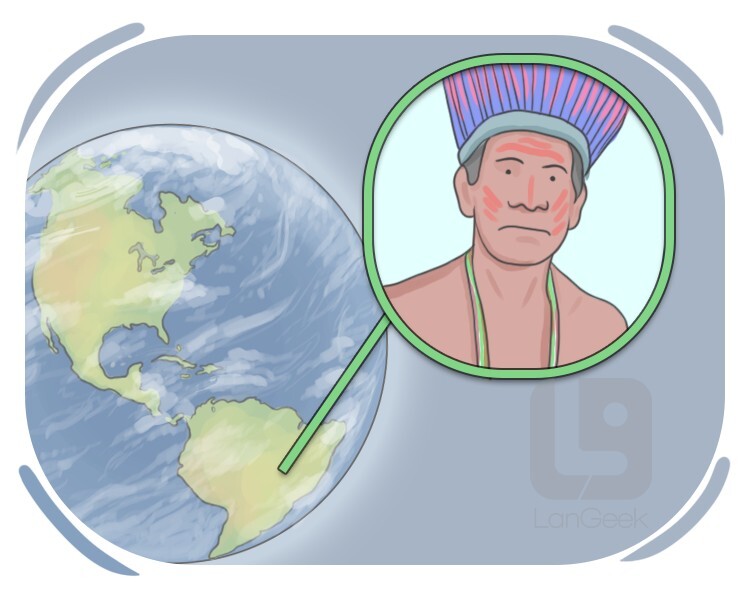
a person born in a particular place, especially one associated with an indigenous culture
文法情報
有生性の状態
人間
形態的構成
複合語
可算
plural
not gender specific
複数形
natives
例
The natives of the island have preserved their unique cultural heritage for centuries.
島の先住民は何世紀にもわたって彼らの独自の文化的遺産を守り続けてきた。
02
原産, 土着
indigenous plants and animals
03
ネイティブ, 原住民
a person born in a particular place or country
native
01
先住の, 土着の
describing the people who have lived in an area for a very long time
例
Native Hawaiians have a unique cultural identity and deep spiritual connection to the islands, which they have called home for centuries.
先住ハワイアンは、何世紀にもわたって故郷と呼んできた島々との独自の文化的アイデンティティと深い精神的つながりを持っています。
02
出生地の, 原産の
related to one's place of birth
文法情報
形態的構成
単純語
関係形容詞
程度表現不可
分野
origin, identity, language
例
She spoke with a native accent from her hometown.
彼女は故郷の地元のアクセントで話しました。
03
出生地の, 先住の
belonging to one by birth
04
自然の, 原生の
as found in nature in the elemental form
LanGeek
モバイルアプリをダウンロード

語彙ツリー
nativism
nativist
native

