

Cerca
Seleziona la lingua del dizionario





























to add
01
aggiungere
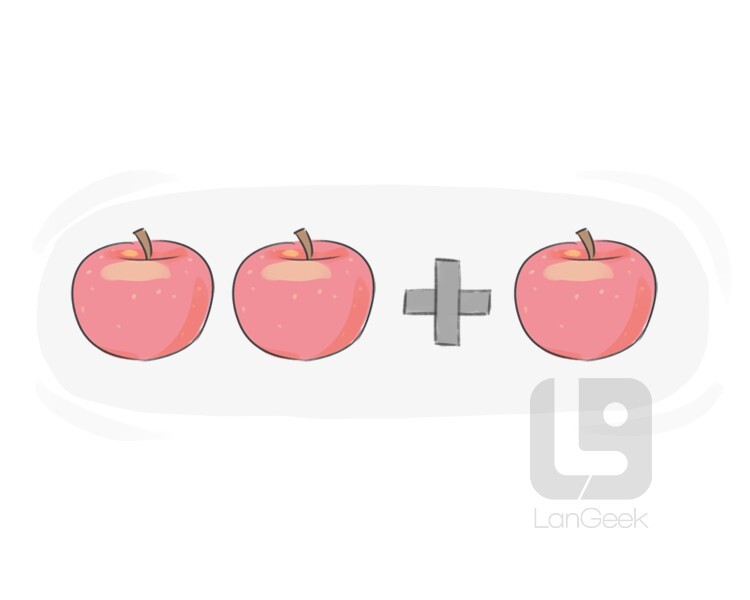
to put things together to make them bigger in size or quantity
Transitive: to add sth | to add sth to sth
informazioni grammaticali
composizione morfologica
semplice
verbo d’azione
regolare
presente
add
3ª persona singolare
adds
participio presente
adding
passato semplice
added
participio passato
added
Esempi
An extra paragraph was added to the report for additional information.
Un paragrafo aggiuntivo è stato aggiunto al rapporto per ulteriori informazioni.
02
sommare, aggiungere
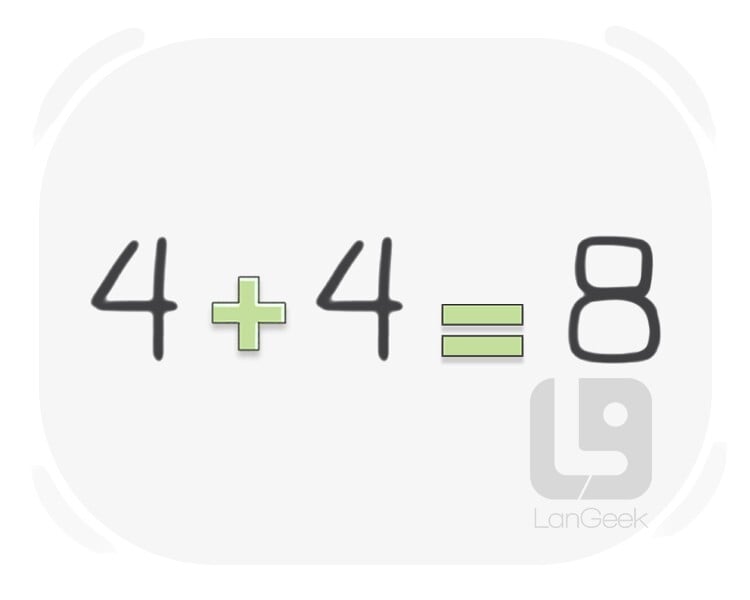
(mathematics) to put numbers or amounts together and find the total
Intransitive
Transitive: to add two or more numbers | to add a number to another
Esempi
Add 5 and 3 to get a total of 8.
Aggiungi 5 e 3 per ottenere un totale di 8.
03
aggiungere, incorporare
to put something such as an ingredient, additional element, etc. together with something else
Transitive: to add an ingredient or element | to add an ingredient or element to sth
Esempi
Fertilizer is added to the soil to promote plant growth.
Il fertilizzante viene aggiunto al terreno per favorire la crescita delle piante.
3.1
aggiungere, contribuire
to contribute to something, particularly by enhancing its quality
Transitive: to add a quality to sth
Esempi
The artwork will add a touch of sophistication to the living room.
L'opera d'arte aggiungerà un tocco di sofisticazione al soggiorno.
04
aggiungere, aggiungere in più
used to introduce new information, particularly in order to support what one previously said
Transitive: to add sth | to add that
Esempi
'Make sure to double-check your work,' he added.
"Assicurati di ricontrollare il tuo lavoro," aggiunse.
LanGeek
Scarica la nostra app mobile

Albero Lessicale
addable
adder
addible
add

