

Keresés
Válassza ki a szótár nyelvét





























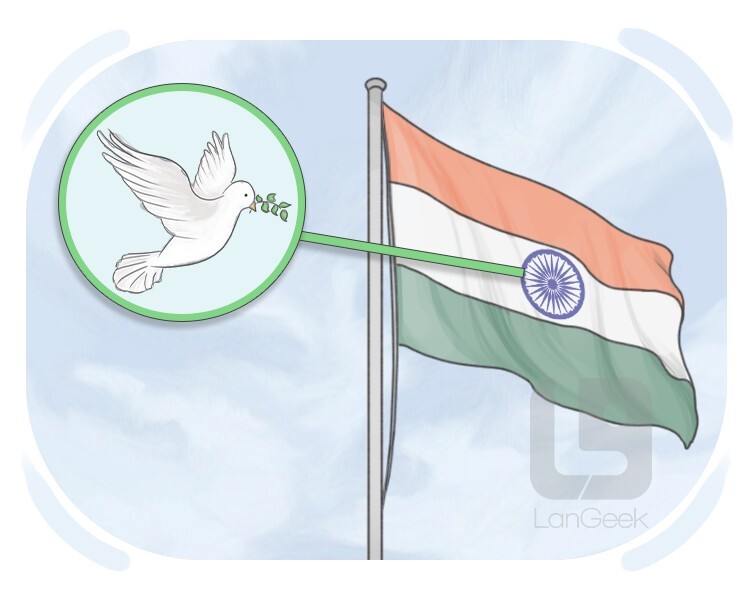
to stand for
01
jelent, szimbolizál
to convey a particular meaning, either explicitly or implicitly
Transitive: to stand for a concept or belief
nyelvtani információk
morfológiai összetétel
frazális
állapotot jelentő ige
szabályos
elválaszthatatlan
partikula
for
alapige
stand
jelen idő
stand for
egyes szám 3. személy
stands for
folyamatos melléknévi igenév
standing for
egyszerű múlt
stood for
befejezett melléknévi igenév
stood for
Példák
The flag's colors and symbols proudly stand for the values of the nation.
A zászló színei és szimbólumai büszkén képviselik a nemzet értékeit.
02
jelent, képvisel
to represent something in the form of an abbreviation or symbol
Transitive: to stand for a word or expression

Példák
The acronym 'NASA' stands for National Aeronautics and Space Administration.
A 'NASA' mozaikszó a National Aeronautics and Space Administration rövidítése.
03
tűr, elvisel
to endure a particular behavior, action, or situation
Transitive: to stand for a particular behavior or action
Példák
Citizens should not stand for corruption in their government and should demand accountability.
Az állampolgároknak nem szabad tűrniük a korrupciót a kormányukban, és elszámoltathatóságot kell követelniük.
04
képvisel, szimbolizál
to act as a substitute for something, taking its place or being equivalent to it
Transitive: to stand for sth
Példák
The acronym stands for a complex scientific concept that is crucial for the research.
A betűszó jelentése egy összetett tudományos fogalom, amely döntő fontosságú a kutatás szempontjából.
05
jelentkezik, indul a választáson
to participate in an election, trying to be chosen for an official role or become a member of an organization
Transitive: to stand for an election or a position
Példák
The passionate activist decided to stand for election, hoping to bring about positive change in the community.
A szenvedélyes aktivista úgy döntött, hogy indul a választáson, remélve, hogy pozitív változást hoz a közösségben.
LanGeek


