

Rechercher
Sélectionnez la langue du dictionnaire





























day
Définition et signification de « day » en anglais
Day

informations grammaticales
statut d’animéité
abstrait
composition morphologique
simple
dénombrable
singular
not gender specific
forme plurielle
days
Que signifie le mot anglais "day" ?
En anglais, "day" dans ce sens désigne une période de vingt-quatre heures. Elle constitue généralement une unité complète du calendrier.
Exemples
I like to have a cup of tea in the evening to relax after a long day.
J'aime prendre une tasse de thé le soir pour me détendre après une longue journée.
02
jour
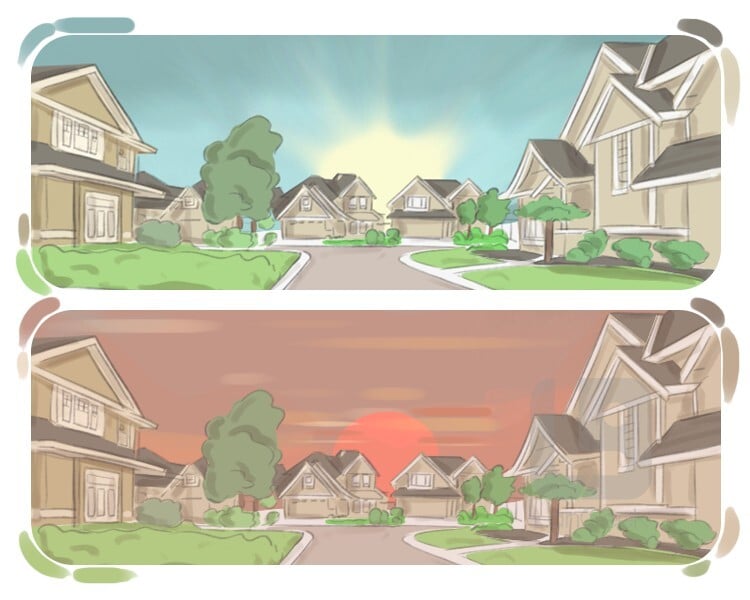
the time between when the sun rises and when it sets
nightdaylight hoursdaytime
Exemples
I enjoy watching the colors of the sky change throughout the day.
J'aime regarder les couleurs du ciel changer tout au long de la journée.
03
jour,époque
some point or period in time
occasiontime
Exemples
One day, I hope to visit Japan.
04
jour,journée
a day assigned to a particular purpose or observance
observanceoccasion
Exemples
Mother's Day is celebrated on different dates around the world.
05
jour,journée
the recurring hours when you are not sleeping (especially those when you are working)
waking hoursworking day
Exemples
She starts her day with a cup of coffee.
06
époque,ère
an era of existence or influence
ageera
Exemples
In his day, computers were far less common.
07
jour,occasion
a period of opportunity
momentopportunity
Exemples
Every talented performer hopes to have their day.
08
jour sidéral,jour stellaire
the time for one complete rotation of the earth relative to a particular star, about 4 minutes shorter than a mean solar day
sidereal day
spécialisé
Exemples
A sidereal day is slightly shorter than a solar day.
09
jour,journée
the period of time taken by a particular planet (e.g. Mars) to make a complete rotation on its axis
planetary dayrotation period
Exemples
A day on Mars lasts slightly longer than a day on Earth.
LanGeek
Téléchargez notre application mobile
Arbre Lexical
daily
daily
day

