

অনুসন্ধান করুন
অভিধানের ভাষা নির্বাচন করুন





























to disassemble
01
বিচ্ছিন্ন করা, ভাঙ্গা
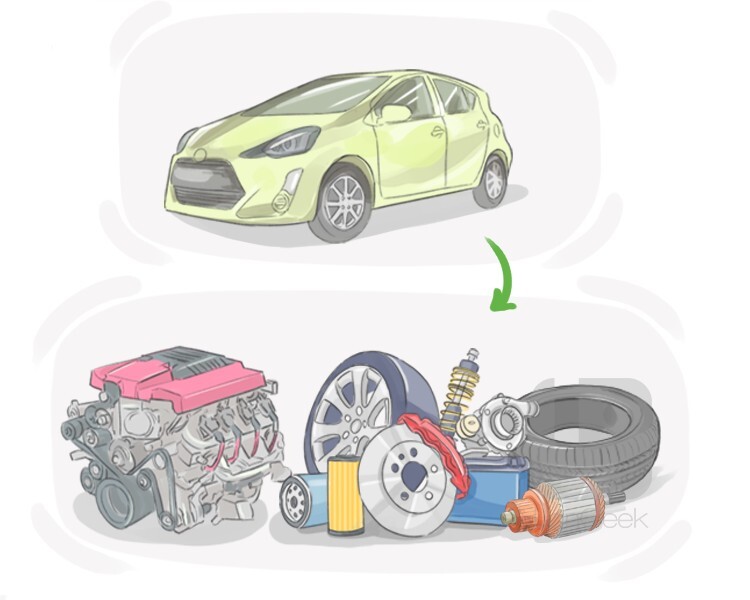
to take apart a structure, machine, or object, breaking it down into its individual pieces
Transitive: to disassemble a structure or machine
ব্যাকরণগত তথ্য
রূপগত গঠন
উৎপন্ন
কর্মসূচক ক্রিয়া
নিয়মিত
বর্তমান কাল
disassemble
৩য় পুরুষ একবচন
disassembles
বর্তমান কৃদন্ত
disassembling
সরল অতীত
disassembled
অতীত কৃদন্ত
disassembled
উদাহরণ
The technician needed to disassemble the computer to replace a faulty component.
একটি ত্রুটিপূর্ণ উপাদান প্রতিস্থাপন করতে টেকনিশিয়ানকে কম্পিউটারটি বিচ্ছিন্ন করতে হয়েছিল।
02
বিচ্ছিন্ন করা, ডিকম্পাইল করা
to convert machine code back into human-readable assembly language or source code for analysis or modification
Transitive: to disassemble machine code
উদাহরণ
The cybersecurity analyst used specialized tools to disassemble the malware code and uncover its malicious functionalities.
সাইবার সিকিউরিটি অ্যানালিস্ট ম্যালওয়্যার কোড বিচ্ছিন্ন করতে এবং এর দূষিত কার্যকারিতা উদ্ঘাটন করতে বিশেষায়িত টুলস ব্যবহার করেছেন।
LanGeek
আমাদের মোবাইল অ্যাপ ডাউনলোড করুন

শব্দতাত্ত্বিক গাছ
disassemble
assemble

