

অনুসন্ধান করুন
অভিধানের ভাষা নির্বাচন করুন





























cured
01
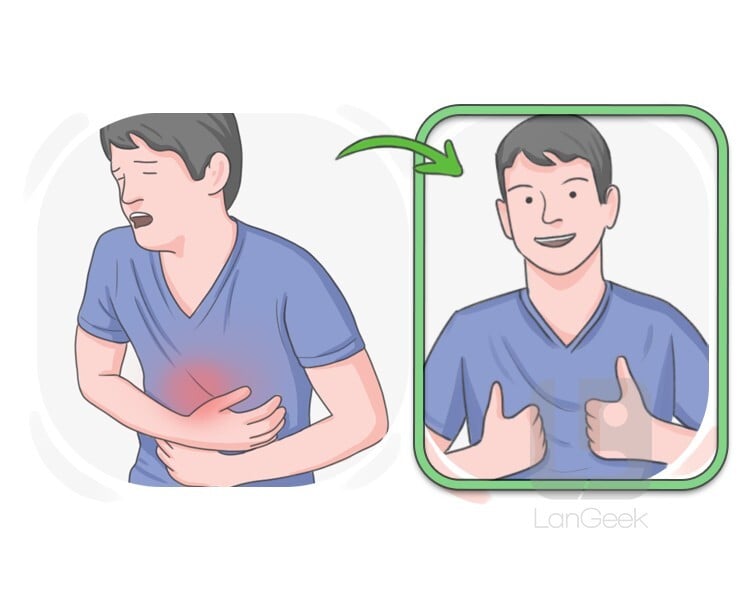
সুস্থ, আরোগ্যলাভ করেছে
freed from illness or injury
02
ভালকানাইজড, চিকিত্সিত
(used of rubber) treated by a chemical or physical process to improve its properties (hardness and strength and odor and elasticity)
ব্যাকরণগত তথ্য
রূপগত গঠন
অতীত কৃদন্ত বিশেষণ
গুণবাচক
অতিশয় রূপ
most cured
তুলনামূলক রূপ
more cured
তুলনীয়
বিষয়ক্ষেত্র
materials, processing, properties
03
শক্ত, পাকা
(used of concrete or mortar) kept moist to assist the hardening
04
পাকা, পুরানো করা
(used of tobacco) aging as a preservative process (`aged' is pronounced as one syllable)
05
লবণাক্ত, ধূমায়িত
preserved using methods like salting or smoking to prevent spoilage and enhance taste
উদাহরণ
The butcher displayed a selection of cured meats, including prosciutto and salami.
কসাই প্রসিয়ুটো এবং সালামি সহ সংরক্ষিত মাংসের একটি নির্বাচন প্রদর্শন করেছিল।
06
শুকানো, শুষ্ক
(used of hay e.g.) allowed to dry
LanGeek
আমাদের মোবাইল অ্যাপ ডাউনলোড করুন

শব্দতাত্ত্বিক গাছ
uncured
cured
cure

