

অনুসন্ধান করুন
অভিধানের ভাষা নির্বাচন করুন





























byzantium
01
বাইজেন্টাইন, বাইজেন্টাইন বেগুনি
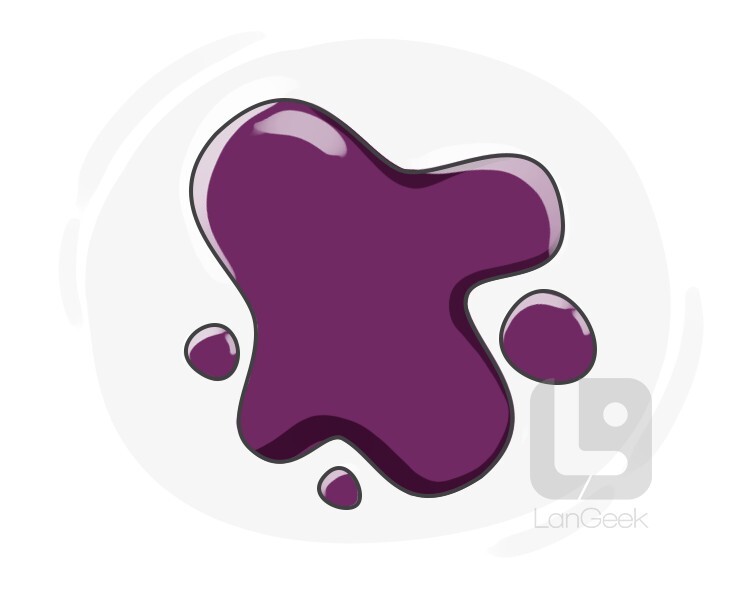
having a deep, muted shade of purple with hints of red and blue, reminiscent of the color commonly associated with the Byzantine Empire
ব্যাকরণগত তথ্য
রূপগত গঠন
যৌগিক
নামবাচক
গুণবাচক
অতিশয় রূপ
most Byzantium
তুলনামূলক রূপ
more Byzantium
তুলনীয়
বিষয়ক্ষেত্র
color, history, art
উদাহরণ
Her evening gown shimmered in a regal Byzantium hue.
তার সন্ধ্যার গাউনটি একটি রাজকীয় বাইজেন্টাইন রঙে ঝলমল করছিল।
Byzantium
01
বাইজেন্টিয়াম, গ্রিকদের দ্বারা প্রতিষ্ঠিত বসফরাসে একটি প্রাচীন শহর; আধুনিক ইস্তাম্বুলের সাইট; 330 সালে কনস্ট্যান্টাইন আমি শহরটি পুনর্নির্মাণ করেছিলেন এবং এটিকে কনস্টান্টিনোপল নামে অভিহিত করেছিলেন এবং এটি তাঁর রাজধানী করেছিলেন
an ancient city on the Bosporus founded by the Greeks; site of modern Istanbul; in 330 Constantine I rebuilt the city and called it Constantinople and made it his capital
ব্যাকরণগত তথ্য
প্রাণবাচকতার অবস্থা
জড়
রূপগত গঠন
সরল
নামবাচক
02
বাইজেন্টিয়াম, বাইজেন্টাইন সাম্রাজ্য
a continuation of the Roman Empire in the Middle East after its division in 395
LanGeek


