

অনুসন্ধান করুন
অভিধানের ভাষা নির্বাচন করুন





























to go before
01
সম্মুখীন হওয়া, উপস্থাপিত করা
to be formally presented for discussion or judgment by a person or authority
Transitive: to go before a person or organization in authority

ব্যাকরণগত তথ্য
রূপগত গঠন
বাগধারামূলক
কর্মসূচক ক্রিয়া
নিয়মিত
অবিচ্ছেদ্য
কণা
before
মূল ক্রিয়া
go
বর্তমান কাল
go before
৩য় পুরুষ একবচন
goes before
বর্তমান কৃদন্ত
going before
সরল অতীত
went before
অতীত কৃদন্ত
gone before
উদাহরণ
The application I sent will go before the admissions office for review next week.
আমি যে আবেদন পাঠিয়েছি তা পরবর্তী সপ্তাহে পর্যালোচনার জন্য ভর্তি অফিসের সামনে যাবে।
02
আগে থাকা, পূর্বে বিদ্যমান থাকা
to exist or occur in an earlier period of time
Transitive: to go before an event or era
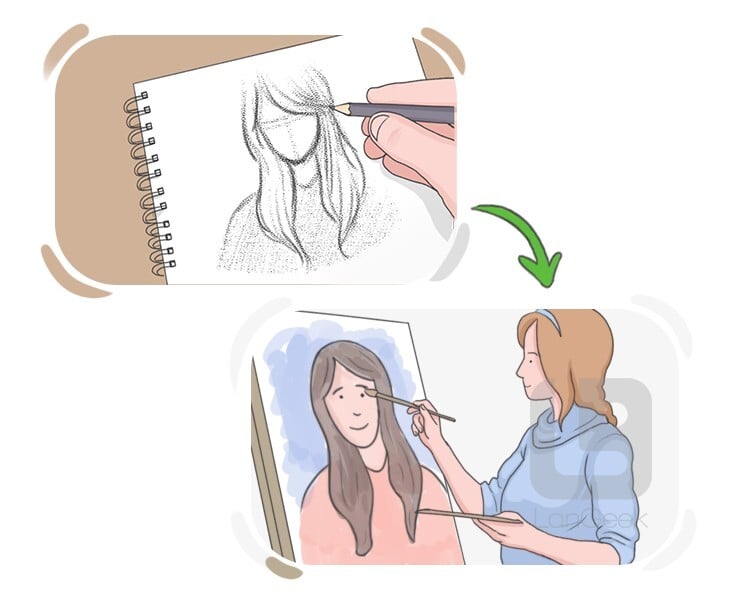
উদাহরণ
The ancient civilization had advanced technologies that went before our modern inventions.
প্রাচীন সভ্যতার উন্নত প্রযুক্তি ছিল যা আমাদের আধুনিক উদ্ভাবনের আগে ছিল।
LanGeek


