






























to output
01
输出, 产生
to produce or supply information using a computer or any other device
Transitive: to output digital data
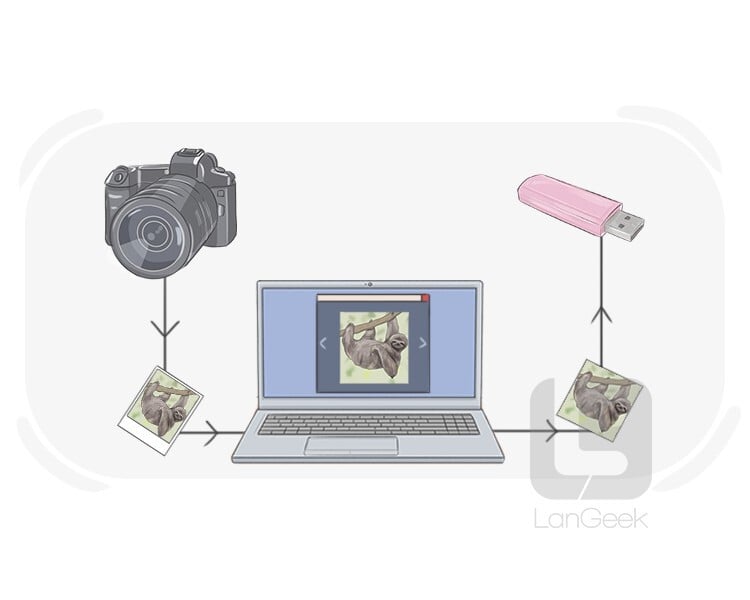
例子
The program outputs the results of the calculation on the screen.
程序在屏幕上输出计算结果。
02
产出, 生产
to produce or generate goods, products, or services in a manufacturing or industrial process
Transitive: to output products or services
语法信息
形态构成
简单词
动作动词
规则
现在时
output
第三人称单数
outputs
现在分词
outputting
一般过去时
outputted
过去分词
outputted
例子
The factory outputs thousands of units each day.
工厂每天产出数千个单位。
Output
01
输出, 结果
(computing) the data produced by a computer
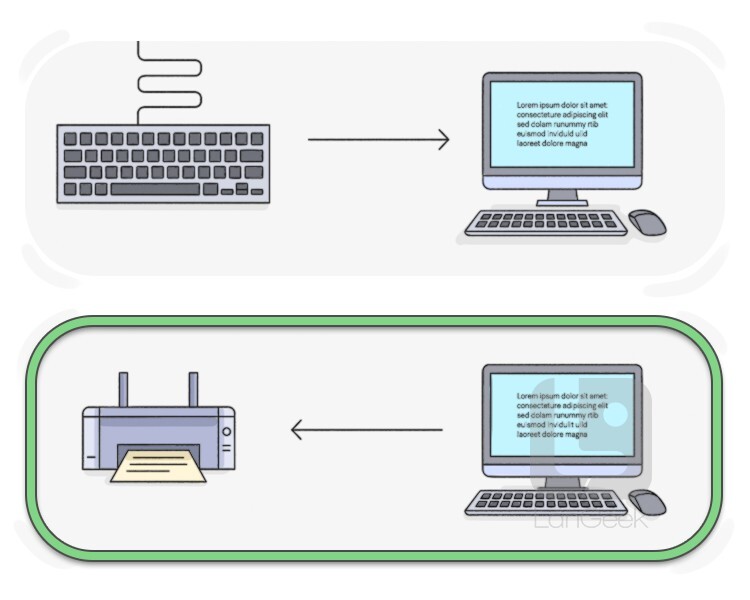
例子
The screen displayed the output from the software, showing the results of the user's calculations.
屏幕显示了软件的输出,展示了用户的计算结果。
02
产量, 结果
the tangible or measurable results, products, or goods produced by a process or system
语法信息
有生性状态
无生命
形态构成
复合词
可数
singular
not gender specific
复数形式
outputs
例子
The output of the factory was carefully inspected before shipment.
工厂的产出在发货前经过了仔细检查。
03
输出, 输出信号
a signal emitted from an electronic system
例子
The device's output was fed into a display monitor.
设备的输出被输入到显示监视器中。
04
产量, 产出
the quantity of production or work done in a specified time period
例子
Daily output improved after the new workflow was introduced.
新工作流程引入后,每日产量有所提高。
05
产量, 产出
the amount of a commodity or product created, usually measured over a given period
例子
Oil output has increased this year.
今年石油产量增加了。
LanGeek
下载我们的移动应用

词汇树
output
out
put

