

Искать





























to diagnose
01
диагностировать
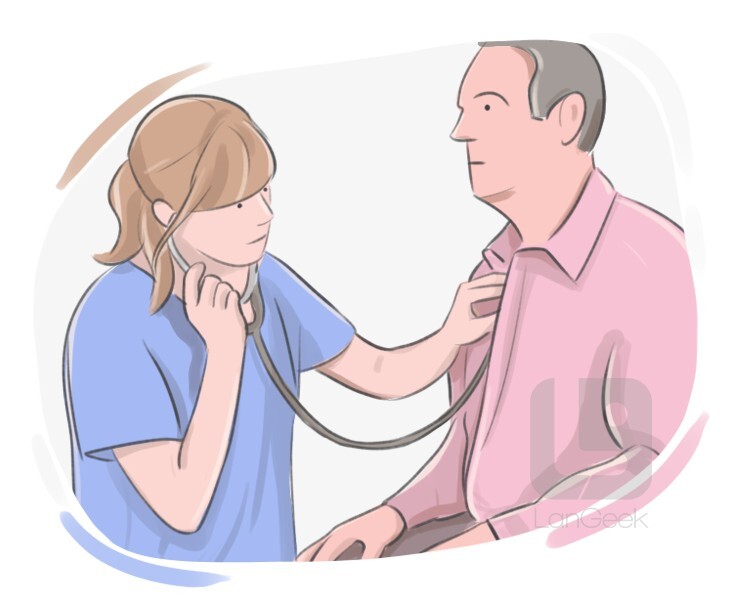
to find out the cause of a problem or disease that a person has by examining the symptoms
Transitive: to diagnose the cause of a problem
грамматическая информация
морфологический состав
производное
глагол действия
правильный
настоящее время
diagnose
3-е лицо единственного числа
diagnoses
причастие настоящего времени
diagnosing
простое прошедшее время
diagnosed
причастие прошедшего времени
diagnosed
Примеры
Doctors use various tests to diagnose medical conditions accurately.
Врачи используют различные тесты для точного диагностирования медицинских состояний.
02
диагностировать, поставить диагноз
to identify a medical condition or sickness in a person or an animal
Transitive: to diagnose sb with a disease
Примеры
The doctor was able to diagnose the patient with a severe respiratory infection.
Врач смог диагностировать у пациента тяжелую респираторную инфекцию.
03
диагностировать, определять
to find out the cause of a problem or issue by carefully examining the situation or system
Примеры
He diagnosed the issue after running several tests.
Он диагностировал проблему после проведения нескольких тестов.
LanGeek
Скачайте наше мобильное приложение

Лексическое Дерево
diagnosable
diagnosing
diagnose

