

Искать





























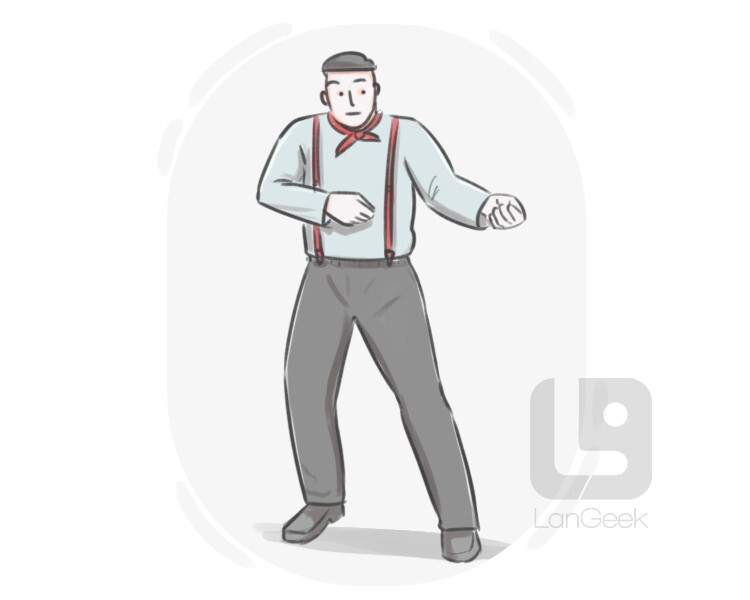
Mime
01
пантомима
a theatrical technique in which the performer uses body and hand gestures in order to suggest an idea or tell something without using words
грамматическая информация
статус одушевлённости
человек
морфологический состав
простое
исчисляемое
singular
not gender specific
форма множественного числа
mimes
Примеры
With only his hands and face, the mime communicated the entire scene.
Только своими руками и лицом мим передал всю сцену.
02
мим, артист мим
an artist who conveys stories, emotions, and ideas through physical movements and gestures, often without using words
to mime
01
изображать пантомиму, исполнять мим
to convey a story or message using only body movements and facial expressions, without the use of words
грамматическая информация
морфологический состав
простое
глагол действия
правильный
настоящее время
mime
3-е лицо единственного числа
mimes
причастие настоящего времени
miming
простое прошедшее время
mimed
причастие прошедшего времени
mimed
02
передразнивать, имитировать
imitate (a person or manner), especially for satirical effect
LanGeek
Скачайте наше мобильное приложение

Лексическое Дерево
mimic
mimic
mime

