

Szukaj





























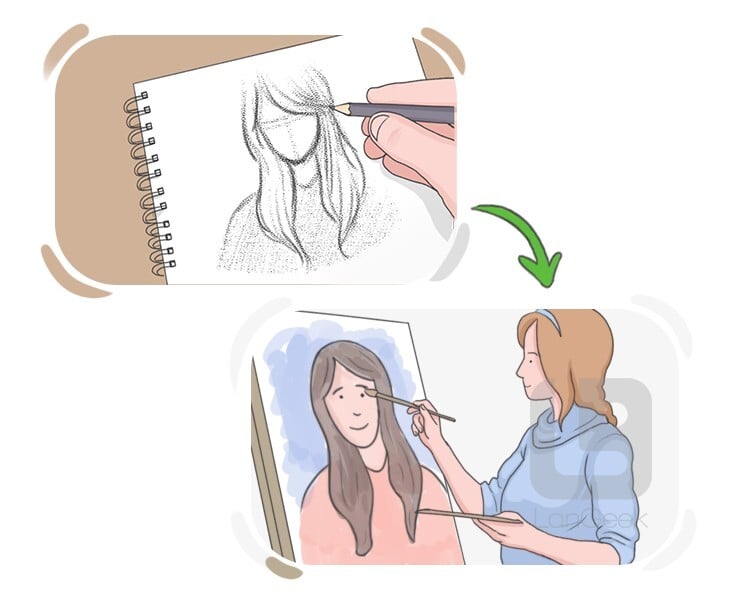
to precede
01
poprzedzać, wyprzedzać
to come before something else in time
Transitive: to precede an event or era
informacje gramatyczne
budowa morfologiczna
pochodny
czasownik czynnościowy
regularny
czas teraźniejszy
precede
3. osoba liczby pojedynczej
precedes
imiesłów czynny
preceding
czas przeszły prosty
preceded
imiesłów bierny
preceded
Przykłady
The discovery of penicillin preceded the widespread use of antibiotics by several decades.
Odkrycie penicyliny poprzedziło powszechne stosowanie antybiotyków o kilka dekad.
02
poprzedzać, wyprzedzać
to appear or occur before something else in a sequence or arrangement
Transitive: to precede sth
Przykłady
The appetizer should precede the main course at dinner.
Przystawka powinna poprzedzać danie główne podczas kolacji.
03
poprzedzać, wyprzedzać
to move before something or someone else
Transitive: to precede sb/sth
Przykłady
The lead car preceded the rest of the vehicles in the race.
Prowadzący samochód poprzedzał resztę pojazdów w wyścigu.
04
poprzedzać, wprowadzać
to begin something by providing an introduction or a short explanation first
Transitive: to precede speech or writing with an introductory note
Przykłady
She preceded her speech with a thank-you to the audience.
Poprzedziła swoje przemówienie podziękowaniem dla publiczności.
LanGeek
Pobierz naszą aplikację mobilną

Drzewo Leksykalne
precedence
precedent
preceding
precede
cede

