

Rechercher
Sélectionnez la langue du dictionnaire





























to vent
01
exprimer, décharger
to strongly express one's feelings, particularly one's anger
Transitive: to vent one's feelings

informations grammaticales
composition morphologique
simple
verbe d’action
régulier
présent
vent
3e personne du singulier
vents
participe présent
venting
passé simple
vented
participe passé
vented
Exemples
Frustrated with the situation, he needed to vent his anger and disappointment.
Frustré par la situation, il avait besoin d'évacuer sa colère et sa déception.
02
évacuer, ventiler
to let something, like air or gas, escape through an opening or passage
Transitive: to vent heat or fumes
Exemples
The exhaust system vents the fumes outside the building.
Le système d'échappement évacue les fumées à l'extérieur du bâtiment.
Vent
01
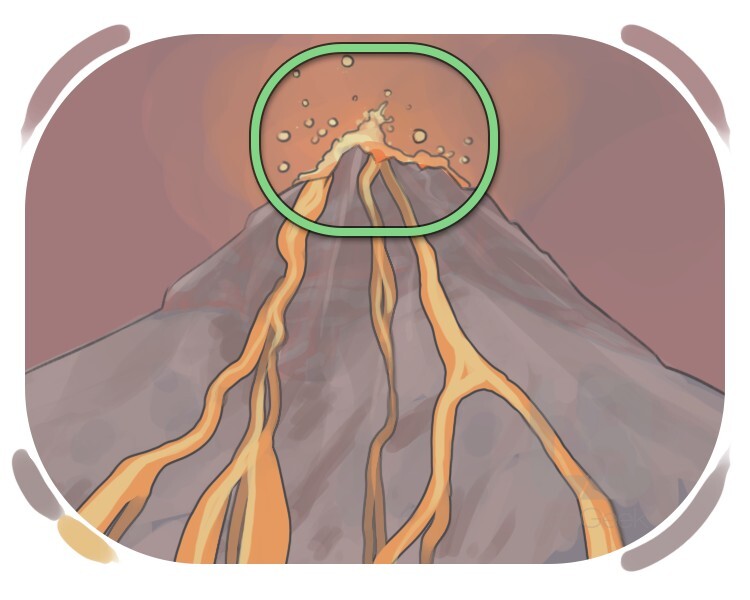
évent, fissure volcanique
a fissure in the earth's crust (or in the surface of some other planet) through which molten lava and gases erupt
02
cloaque
the rectum or external opening in some animals, such as a fish, bird, etc., through which waste is passed
informations grammaticales
statut d’animéité
animal
composition morphologique
simple
dénombrable
singular
not gender specific
forme plurielle
vents
03
conduit d’aération
an opening or passage that allows the movement of air, gases, or other substances, typically used for ventilation, release of heat or moisture, or to remove unwanted odors
04
exutoire, défouloir
activity that frees or expresses creative energy or emotion
05
fente, ouverture
a slit in a garment (as in the back seam of a jacket)
LanGeek
Téléchargez notre application mobile

Arbre Lexical
vented
venter
venting
vent

