

Suchen
Wählen Sie die Wörterbuchsprache




























to precede
01
vorausgehen, vorangehen
to come before something else in time
Transitive: to precede an event or era
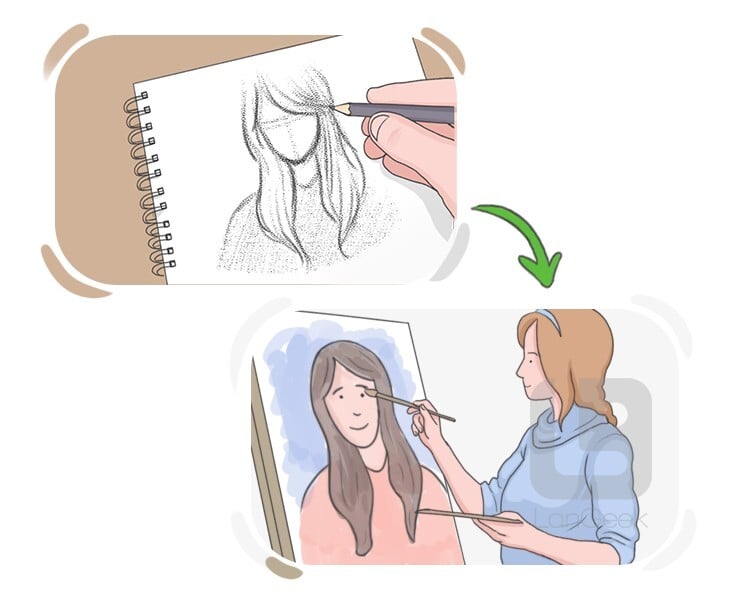
Grammatische Informationen
morphologische Zusammensetzung
abgeleitet
Handlungsverb
regelmäßig
Präsens
precede
3. Person Singular
precedes
Partizip Präsens
preceding
einfache Vergangenheit
preceded
Partizip Perfekt
preceded
Beispiele
The discovery of penicillin preceded the widespread use of antibiotics by several decades.
Die Entdeckung von Penizillin ging der weitverbreiteten Anwendung von Antibiotika um mehrere Jahrzehnte voraus.
02
vorausgehen, vorangehen
to appear or occur before something else in a sequence or arrangement
Transitive: to precede sth
Beispiele
The appetizer should precede the main course at dinner.
Die Vorspeise sollte dem Hauptgericht beim Abendessen vorausgehen.
03
vorausgehen, vorangehen
to move before something or someone else
Transitive: to precede sb/sth
Beispiele
The lead car preceded the rest of the vehicles in the race.
Das führende Auto ging dem Rest der Fahrzeuge im Rennen voraus.
04
vorausgehen, einführen
to begin something by providing an introduction or a short explanation first
Transitive: to precede speech or writing with an introductory note
Beispiele
She preceded her speech with a thank-you to the audience.
Sie leitete ihre Rede mit einem Dank an das Publikum ein.
LanGeek
Laden Sie unsere mobile App herunter

Lexikalischer Baum
precedence
precedent
preceding
precede
cede

