

অনুসন্ধান করুন
অভিধানের ভাষা নির্বাচন করুন





























Fang
01
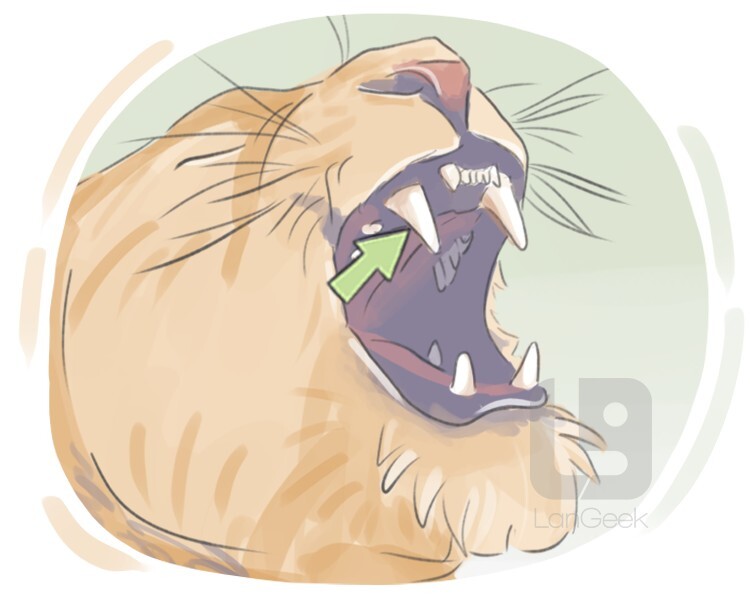
খাঁজকাটা দাঁত, তীক্ষ্ণ দাঁত
a long, pointed tooth found in carnivorous animals, used for biting, gripping, and tearing flesh
ব্যাকরণগত তথ্য
প্রাণবাচকতার অবস্থা
জড়
রূপগত গঠন
সরল
গণনীয়
plural
not gender specific
বহুবচন রূপ
fangs
উদাহরণ
The lion's sharp fangs help it catch and kill prey.
সিংহের ধারালো দাঁত তাকে শিকার ধরতে ও মেরে ফেলতে সাহায্য করে।
02
বিষদাঁত, বিষাক্ত দাঁত
a sharp, hollow or grooved tooth of a venomous snake that injects poison into prey
উদাহরণ
The viper's fang pierced the glove during handling.
ভাইপারের বিষদাঁত হ্যান্ডলিংয়ের সময় গ্লাভ ভেদ করে দিয়েছে।
03
বিষদাঁত, বিষকাঁটা
a pointed, venom-delivering appendage in certain insects or arachnids, typically evolved from a limb
উদাহরণ
The spider's fang injected venom into its prey.
মাকড়সার বিষদাঁত তার শিকারে বিষ ইনজেক্ট করেছে।
04
ফ্যাং, ফ্যাং
a language of the Bantu family, primarily used in Cameroon
উদাহরণ
Fang is widely spoken in the southern regions of Cameroon.
ফ্যাং ক্যামেরুনের দক্ষিণাঞ্চলে ব্যাপকভাবে কথিত হয়।
LanGeek


