

অনুসন্ধান করুন
অভিধানের ভাষা নির্বাচন করুন





























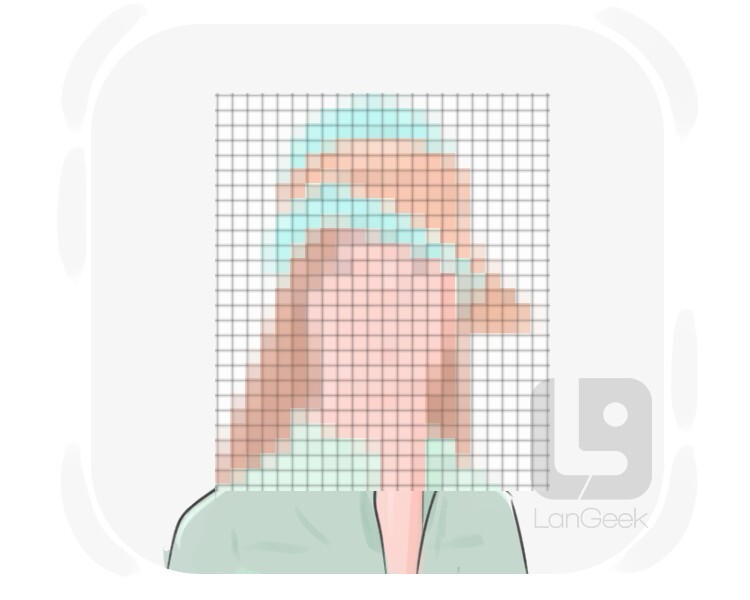
to censor
01
সেন্সর করা, মুছে ফেলা
to remove parts of something such as a book, movie, etc. and prevent the public from accessing them for political, moral, or religious purposes
Transitive: to censor content
ব্যাকরণগত তথ্য
রূপগত গঠন
সরল
কর্মসূচক ক্রিয়া
নিয়মিত
বর্তমান কাল
censor
৩য় পুরুষ একবচন
censors
বর্তমান কৃদন্ত
censoring
সরল অতীত
censored
অতীত কৃদন্ত
censored
উদাহরণ
The government decided to censor the film due to its sensitive content.
সরকার তার সংবেদনশীল বিষয়বস্তুর কারণে চলচ্চিত্রটিকে সেন্সর করার সিদ্ধান্ত নিয়েছে।
02
সেন্সর করা
to scan and remove or change the unacceptable parts of art, news, document, etc. in order to stop them from becoming public
Transitive: to censor parts of a content
উদাহরণ
The editor had to censor parts of the article due to its controversial content.
সম্পাদককে বিতর্কিত বিষয়বস্তুর কারণে নিবন্ধের কিছু অংশ সেন্সর করতে হয়েছিল।
Censor
01
সেন্সর, পরিদর্শক
a person responsible for reviewing and suppressing material considered obscene, politically sensitive, or otherwise objectionable
ব্যাকরণগত তথ্য
প্রাণবাচকতার অবস্থা
মানুষ
রূপগত গঠন
যৌগিক
গণনীয়
singular
not gender specific
বহুবচন রূপ
censors
উদাহরণ
The government appointed a censor to review all imported films.
সরকার সমস্ত আমদানিকৃত চলচ্চিত্র পর্যালোচনা করার জন্য একজন সেন্সর নিযুক্ত করেছে।
02
সেন্সর, সমালোচক
a person who expresses strong disapproval or formally condemns something
উদাহরণ
He acted as a censor of his colleagues' behavior.
তিনি তার সহকর্মীদের আচরণের সেন্সর হিসেবে কাজ করেছিলেন।
LanGeek
আমাদের মোবাইল অ্যাপ ডাউনলোড করুন

শব্দতাত্ত্বিক গাছ
censored
censoring
censor

