

Search
Select the dictionary language





























to start off
01
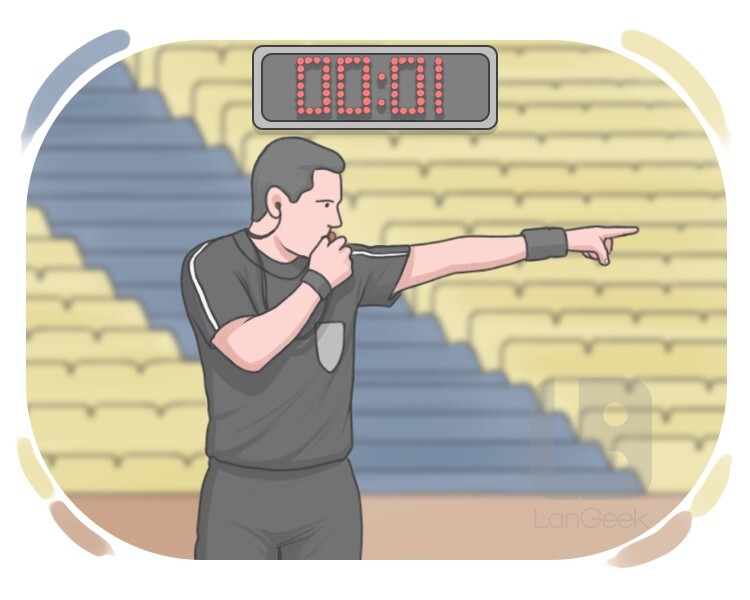
to begin to act, happen, etc. in a particular manner
Intransitive: to start off | to start off with sth
Grammatical Information
Composition
phrasal
Action verb
Regular
Inseparable
Particle
off
Base verb
start
Present tense
start off
3rd person singular
starts off
Present participle
starting off
Past simple
started off
Past participle
started off
Examples
The event started off with an inspiring speech from the keynote speaker.
02
to begin a journey or movement
Intransitive: to start off somewhere | to start off point in time
Examples
We will start off early in the morning to avoid traffic on our road trip.
03
to begin the early stages of a period of one's life or profession, often a significant period
Transitive: to start off a period of life or profession
Examples
She started off her artistic journey by experimenting with different mediums and exploring various art forms.
04
to assist someone in initiating an activity or a task
Transitive: to start off sb
Examples
She started off her new colleague by explaining the project requirements and providing relevant documents.
05
to begin with a particular role, quality, or condition before possibly changing over time
Examples
She started off as a beginner, but now she is an expert.
LanGeek


