

Search
Select the dictionary language





























to suppress
01
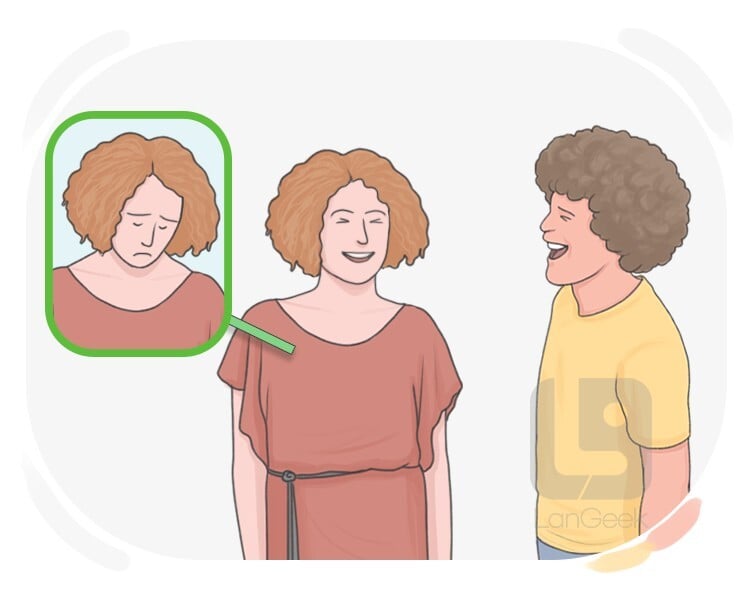
to consciously control the expression of emotions, desires, or behavior
Transitive: to suppress emotions, desires, or behavior
Examples
She recently suppressed her laughter during the serious meeting.
02
to stop an activity such as a protest using force
Transitive: to suppress a protest or uprising
Grammatical Information
Composition
derived
Action verb
Regular
Present tense
suppress
3rd person singular
suppresses
Present participle
suppressing
Past simple
suppressed
Past participle
suppressed
Examples
As the crowd grew, the authorities decided to suppress the protest before it could escalate further.
03
to block or halt the movement or release of something
Transitive: to suppress flow of a fluid or gas
Examples
The dam was built to suppress the flow of water during heavy rains.
04
to deliberately push away or control an unpleasant thought or memory
Transitive: to suppress a thought or memory
Examples
She tried to suppress the memory of the argument to avoid thinking about it.
05
to prevent something from growing or developing
Transitive: to suppress growth or development of something
Examples
The government tried to suppress the spread of the virus.
LanGeek
Download Our Mobile App

Lexical Tree
suppressed
suppresser
suppression
suppress

