

Search
Select the dictionary language





























(of something) not positioned in its usual place
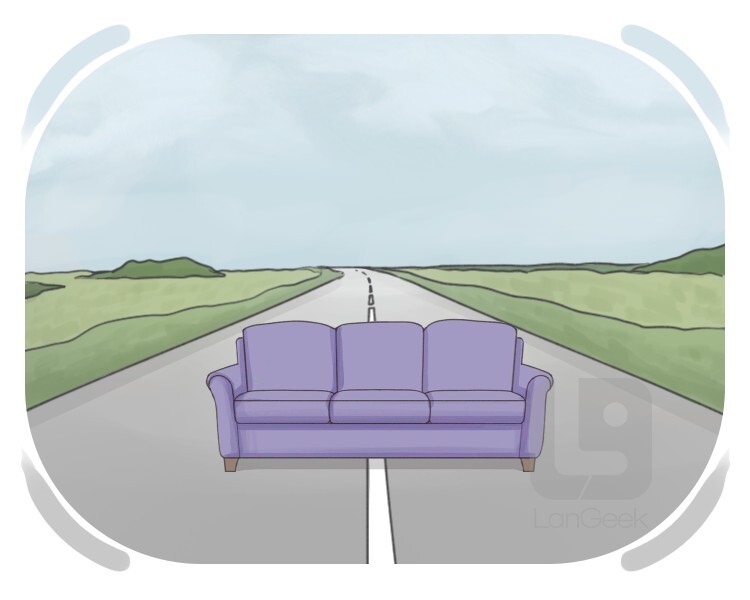
What is the origin of the idiom "out of place" and when to use it?
The idiom "out of place" originates from the literal perception of something being in an inappropriate or unsuitable location or context. The phrase conveys a sense of incongruity or mismatch, suggesting that an object, person, or situation does not belong or fit naturally within a particular setting or arrangement. It implies a lack of harmony, order, or appropriateness, often used to describe something that feels odd, out of the ordinary, or out of its intended position.
not suitable for a particular situation
What is the origin of the idiom "out of place" and when to use it?
The idiom "out of place" originated in the late 16th century and is derived from the concept of something being in an inappropriate or unsuitable location or context. The phrase is used to suggest a lack of harmony, incongruity, or a deviation from the expected or customary arrangement. It is used to describe something or someone that does not fit naturally or comfortably within a particular setting or situation.
LanGeek


