

Search
Select the dictionary language





























the overall emotional atmosphere or feeling that surrounds a situation, place, or piece of art, influencing how it is perceived
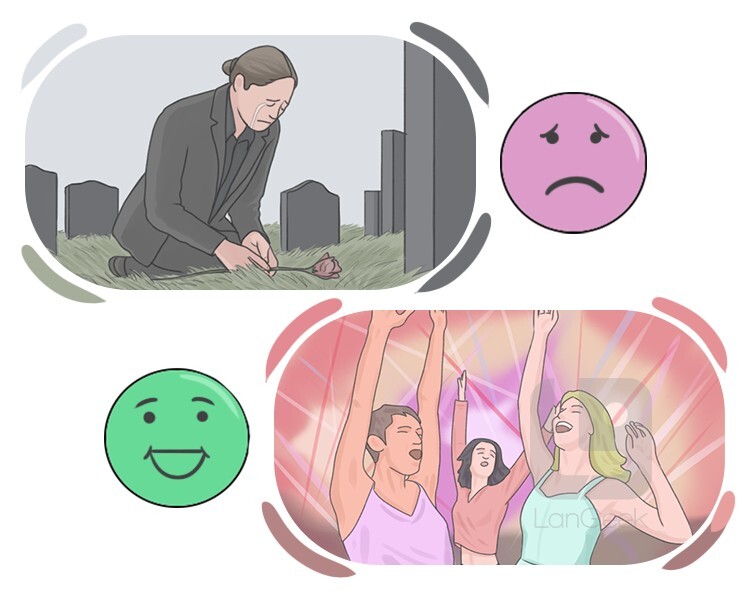
the emotional state that a person experiences
(grammar) a group of verb forms that indicate if the action or state is conceived as a statement, question, command or in another way
What is "mood"?
Mood is a grammatical feature that conveys the speaker's attitude toward the action or state described by the verb in a sentence. It reflects how the speaker feels about the likelihood, necessity, or desirability of the action. The three main moods in English are the indicative mood, which states facts or asks questions, such as "She is reading a book," the imperative mood, which gives commands or requests, such as "Close the door," and the subjunctive mood, which expresses wishes, hypothetical situations, or conditions contrary to fact, such as "If I were rich." Understanding mood is essential for grasping the nuances of meaning in language and how speakers express their intentions.
the emotional atmosphere or feeling created by a piece of writing
What is "mood"?
Mood is the emotional atmosphere or feeling that a story, scene, or piece of writing creates for the audience. It is established through various elements such as setting, tone, and language, influencing how the audience feels while engaging with the narrative. Mood can range from joyful and uplifting to dark and suspenseful, and it helps to shape the reader's or viewer's overall experience and emotional response to the story.
a period when someone feels irritated, impatient, or easily annoyed
used to express strong identification with or agreement with a feeling, vibe, or expression
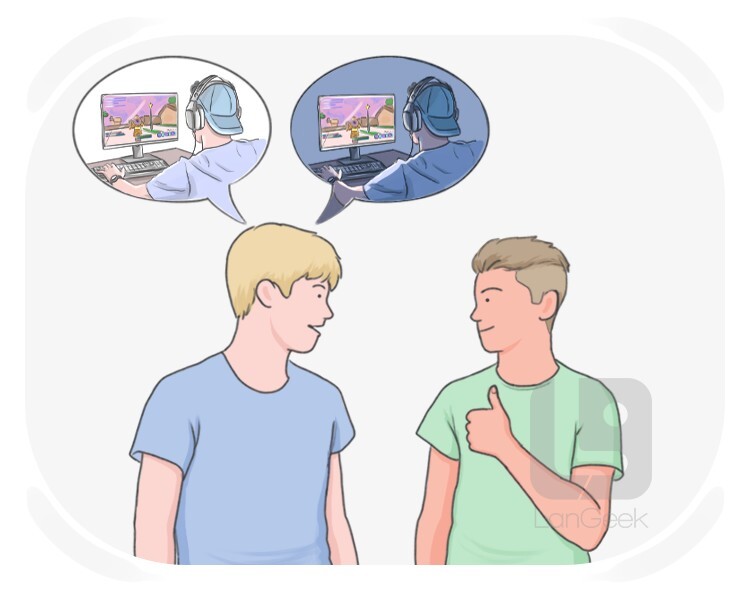
What does "mood" mean in slang?
The term "mood" is used to express strong identification or agreement with a feeling, situation, or vibe. The structure comes from the literal meaning of emotional state, repurposed in slang to label something as relatable or emotionally accurate. It is informal internet slang commonly used in reactions to posts, images, or statements to indicate "that's exactly how I feel."
LanGeek
Download Our Mobile App

Lexical Tree

