

Search
Select the dictionary language





























a small tropical fish that is a live-bearer, found in vibrant colors and kept in aquariums
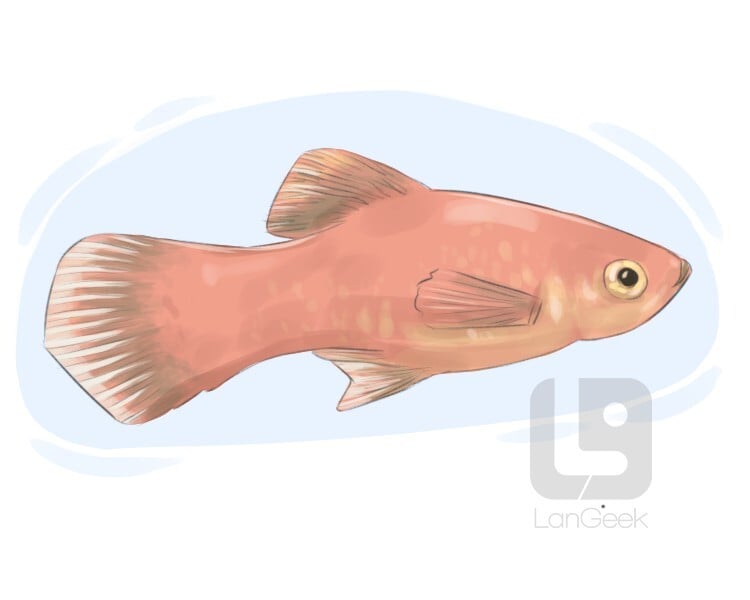
What is a "molly"?
A molly is a small freshwater fish that belongs to the Poecilia genus. These colorful and lively fish are popular among aquarium enthusiasts. Mollies are native to the freshwater streams and coastal brackish waters of Mexico and Central America. They come in a variety of vibrant colors and patterns, making them visually appealing. Mollies are known for their adaptability and can tolerate a wide range of water conditions. They are omnivorous, feeding on both plant matter and small invertebrates. Mollies are livebearers, meaning they give birth to live fry rather than laying eggs. They are relatively peaceful fish and can be kept with other community fish species. With their lively nature and beautiful colors, mollies add charm and vibrancy to freshwater aquariums.
MDMA, a psychoactive drug often used recreationally for its euphoric and empathogenic effects
What does "molly" mean in drug slang?
The term "molly" is an informal slang name for MDMA (3,4-methylenedioxymethamphetamine), a psychoactive drug known for producing euphoria, increased energy, and heightened emotional empathy. The structure is a street nickname derived from "molecular," originally intended to suggest a "pure" crystalline form of MDMA, though actual street products may vary. It is commonly used in drug-related slang and nightlife contexts.
a gay man regarded as gentle, soft-spoken, or conventionally feminine
What is the origin of the term "molly" and how is it used?
Molly is a slang term that appeared in 17th–18th century English to describe a gay man regarded as gentle, soft-spoken, or conventionally feminine. The term likely originated from the common female name "Molly," applied metaphorically to men to highlight perceived delicacy or effeminacy. Historically, it was derogatory, often used to mock or insult men who did not conform to masculine norms, though it could also appear in playful or subcultural contexts within early gay communities. Today it is largely historical and would generally be considered offensive if used outside discussions of vintage gay slang.
LanGeek


