

Search
Select the dictionary language





























to cause someone to lose the use of a limb, particularly a leg
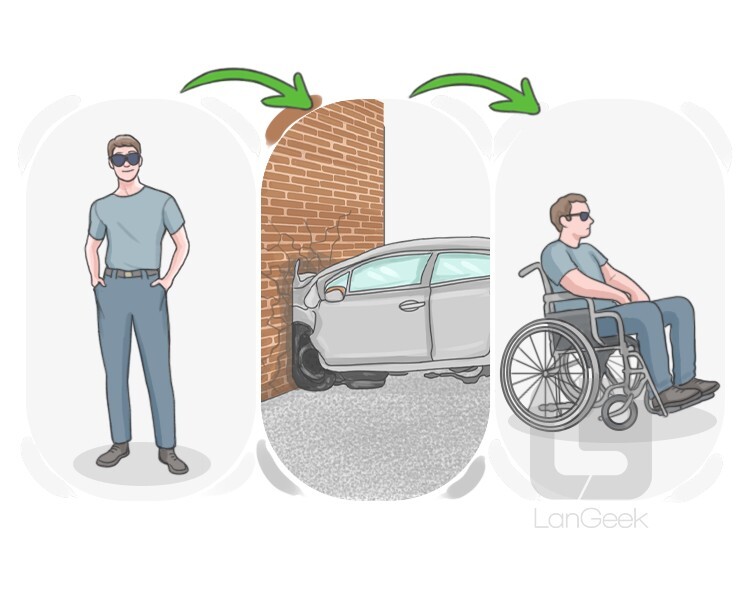
having difficulty walking or moving due to disability in the feet or legs
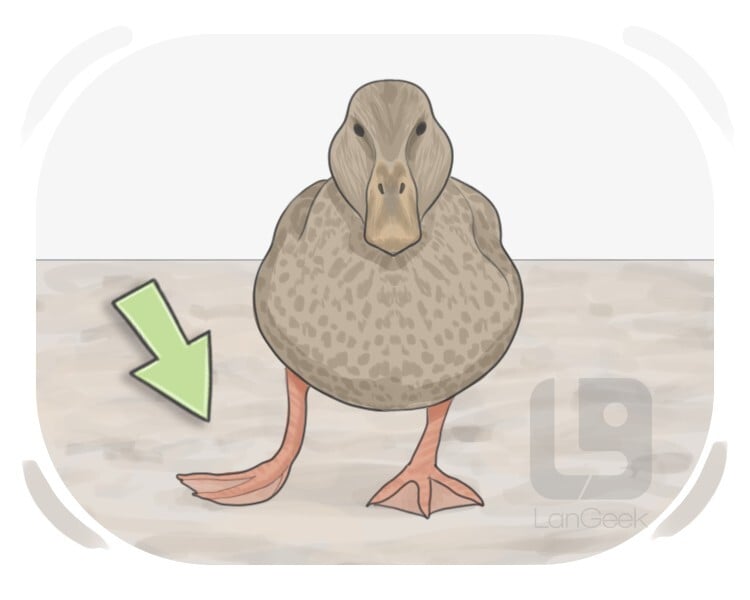
weak, unconvincing, or not exciting
What is the origin of the term "lame" and how is it used?
"Lame" is an English word that dates back to Old English (around the 10th century), originally meaning physically disabled, particularly someone who limps. Over time, especially from the 20th century onward, it developed a figurative sense to describe something weak, unconvincing, or not exciting. The term is used in informal speech to criticize ideas, performances, events, or behavior that fail to impress or engage. It is mildly derogatory but not vulgar, generally seen as a casual insult rather than a severe or offensive term.
someone who doesn't understand what is going on
a fabric that is typically made with metallic threads, giving it a shiny or glittering appearance, often used for eveningwear or festive attire
LanGeek


